

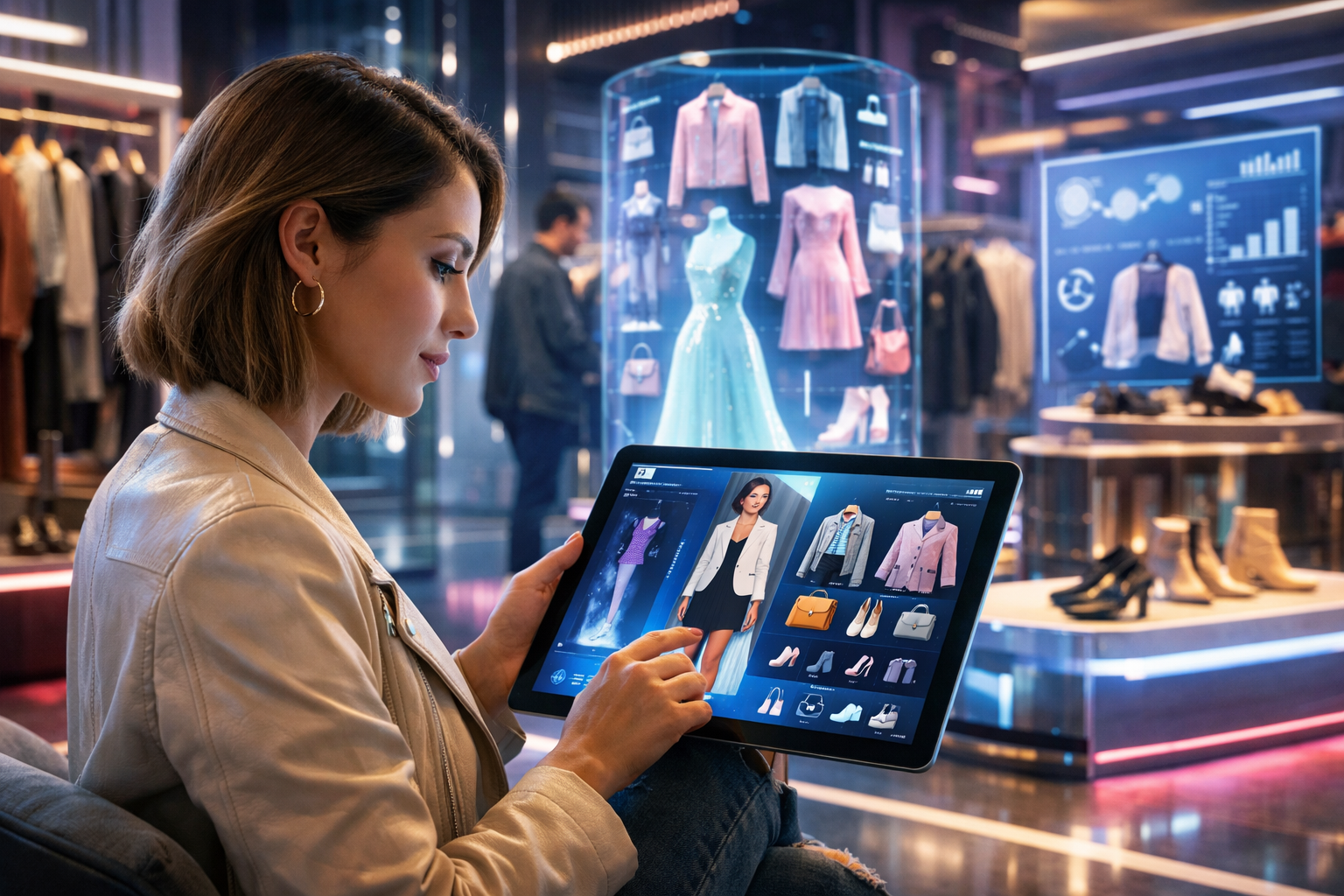
Online shopping has changed the way we buy clothes, but one major challenge has always remained the same: uncertainty. Will the outfit fit properly? Does the color suit your skin tone? Will it match the clothes already in your wardrobe? These questions often lead to hesitation, abandoned shopping carts, and costly product returns. In 2026, however, Artificial Intelligence is solving these problems in ways that seemed impossible just a few years ago.
Imagine opening your favorite fashion app and having a personal stylist who already knows your size, understands your fashion preferences, remembers your previous purchases, considers the weather in your city, and even recommends outfits for upcoming events on your calendar. This is no longer science fiction. AI personal stylists are rapidly transforming online fashion shopping into a highly personalized and enjoyable experience.
From luxury brands to fast-fashion retailers, companies are investing heavily in AI-powered styling tools that make shopping smarter, faster, and more accurate. Consumers benefit from personalized recommendations, while brands enjoy higher customer satisfaction, stronger loyalty, and fewer product returns.
In this article, we’ll explore how AI personal stylists are changing the fashion industry, the technology behind them, their benefits, challenges, and what shoppers can expect in the future.
1. What Are AI Personal Stylists?
AI personal stylists are intelligent digital assistants designed to recommend clothing, accessories, footwear, and complete outfits based on individual preferences and behavior.
Unlike traditional recommendation systems that simply suggest popular products, modern AI stylists analyze a wide range of information. They consider purchase history, browsing behavior, preferred brands, favorite colors, body measurements, seasonal trends, fashion styles, budgets, and even local weather conditions.
The result is a shopping experience that feels remarkably similar to receiving advice from an experienced human stylist.
How AI Learns Your Style
Every interaction helps AI improve.
The more you browse, save products, make purchases, or leave reviews, the better the system understands your unique fashion preferences.
Over time, recommendations become increasingly personalized and accurate.
2. Why AI Styling Is Becoming So Popular
Consumers today expect personalization.
Generic product recommendations are no longer enough because shoppers want clothing that reflects their personality rather than simply following trends.
AI personal stylists deliver this customized experience at scale, making personalized fashion advice accessible to millions of customers simultaneously.
Retailers also benefit because personalized recommendations encourage larger purchases and improve customer retention.
The convenience of receiving curated outfit suggestions has quickly become one of the biggest competitive advantages in online fashion.
3. Virtual Try-On Technology Is Changing Everything
One of the biggest breakthroughs in AI fashion is virtual try-on technology.
Instead of imagining how an outfit might look, shoppers can now use augmented reality and AI-generated avatars to visualize clothing before purchasing.
Some platforms even generate realistic digital versions of customers using body measurements and photographs.
Better Confidence Before Buying
Virtual fitting rooms reduce uncertainty.
Customers gain confidence that clothing will match their size, body shape, and personal style before completing a purchase.
This significantly lowers product return rates while improving customer satisfaction.
4. AI Understands More Than Just Fashion
Modern AI styling systems analyze much more than clothing preferences.
They can recommend different outfits depending on work meetings, vacations, weddings, fitness routines, business travel, or casual weekends.
Some AI platforms even consider current weather forecasts and seasonal changes before suggesting outfits.
This contextual intelligence creates recommendations that feel practical rather than random.
5. Personalized Shopping Saves Time
Many people enjoy fashion but dislike spending hours searching through thousands of products online.
AI personal stylists simplify the process by presenting carefully selected recommendations that match each shopper’s preferences.
Instead of endless browsing, customers receive curated wardrobes tailored specifically to them.
Faster Decisions Lead to Better Experiences
Consumers save valuable time while discovering products they may never have found through traditional browsing.
Shopping becomes more enjoyable and less overwhelming.
6. AI Helps Fashion Brands Improve Customer Loyalty
Retailers compete in an increasingly crowded marketplace.
Providing personalized experiences has become one of the most effective ways to build long-term customer relationships.
AI personal stylists remember customer preferences across multiple shopping sessions, creating consistency that encourages repeat purchases.
Brands using advanced personalization often experience higher engagement and stronger customer satisfaction.
Personalization is becoming a key factor in modern retail success.
7. Sustainability Benefits of AI Fashion
Fashion remains one of the world’s largest industries, but it also contributes significantly to waste.
AI personal stylists support sustainability by helping customers make more informed purchasing decisions.
Better recommendations reduce unnecessary purchases, minimize returns, and encourage shoppers to build wardrobes with versatile clothing rather than impulse buying.
Smarter Shopping Reduces Waste
As AI improves recommendation accuracy, fewer products are shipped back and forth.
This lowers transportation emissions while reducing packaging waste and inventory losses.
Technology is helping fashion become more environmentally responsible.
8. Challenges Facing AI Personal Stylists
Despite impressive progress, AI styling systems still face several limitations.
Fashion is deeply personal and often influenced by emotions, culture, creativity, and individual expression.
AI may occasionally recommend technically suitable outfits that lack personality or fail to reflect unique fashion tastes.
Privacy also remains an important consideration since personalized recommendations rely on collecting shopping behavior and preference data.
Companies must balance personalization with responsible data protection.
9. The Future of AI Fashion Shopping
The future promises even more advanced personalization.
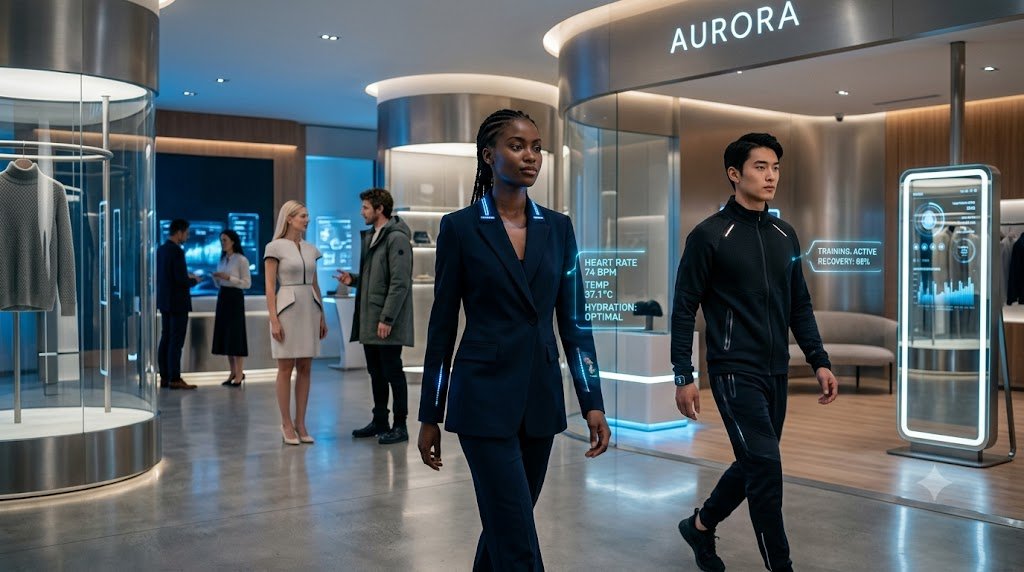
AI personal stylists are expected to integrate with wearable devices, smart mirrors, voice assistants, and virtual reality shopping experiences.
Consumers may soon receive complete wardrobe recommendations based on upcoming events, fitness goals, travel plans, professional meetings, and changing lifestyles.
Digital twins and AI-generated avatars could become standard features for online shopping.
The distinction between physical and digital fashion experiences will continue becoming smaller.
10. Will AI Replace Human Fashion Stylists?
Many people wonder whether AI will eventually replace professional stylists.
The answer is probably no.
Instead, AI will serve as a powerful assistant that handles routine recommendations while human stylists focus on creativity, luxury experiences, celebrity fashion, editorial work, and highly personalized consulting.
Human Creativity Still Matters
Fashion is more than selecting matching colors.
It involves storytelling, confidence, self-expression, culture, emotion, and artistic vision.
AI excels at analyzing data, but human creativity remains essential for creating memorable fashion experiences.
Final Thoughts
AI personal stylists are transforming online fashion shopping into an experience that is smarter, faster, and more personalized than ever before.
From virtual fitting rooms and intelligent outfit recommendations to sustainability improvements and AI-powered wardrobe planning, these technologies are reshaping how consumers discover and purchase clothing.
As Artificial Intelligence continues evolving throughout 2026 and beyond, shoppers can expect increasingly accurate recommendations, immersive virtual shopping environments, and seamless integration between online and physical retail experiences.
Rather than replacing personal style, AI is empowering consumers to express themselves with greater confidence while making fashion more accessible and enjoyable.
The future of fashion isn’t about humans competing with AI—it’s about technology helping every shopper find clothing that truly reflects their personality, lifestyle, and aspirations.





Leave a Reply