

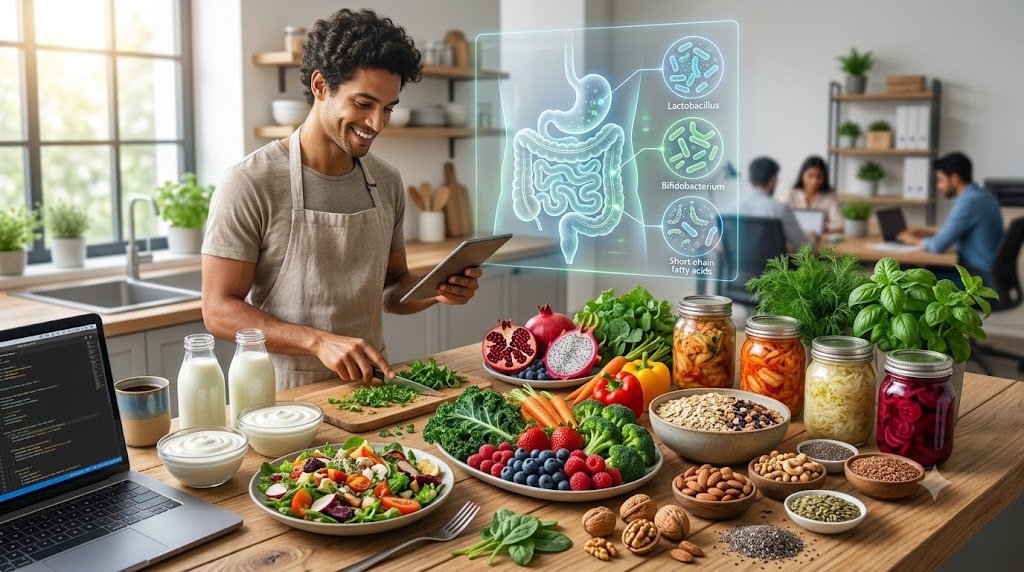
Have you ever noticed how some days you feel energetic, focused, and light, while on other days you struggle with bloating, fatigue, or digestive discomfort? Surprisingly, the answer often lies inside your gut. Modern science has revealed that the digestive system does much more than process food—it influences immunity, mental health, metabolism, and even the quality of your sleep.
Over the past few years, researchers have uncovered the incredible role of the gut microbiome, a vast community of trillions of bacteria, fungi, and other microorganisms living inside our digestive tract. These tiny organisms affect nearly every aspect of our health, making gut-friendly foods one of the most important parts of a balanced diet.
As people become more health-conscious in 2025 and 2026, interest in probiotics, prebiotics, fermented foods, and personalized nutrition has grown significantly. However, maintaining good gut health isn’t about following expensive diet trends or buying countless supplements. It begins with simple daily food choices that nourish both your body and your gut microbiome.
In this guide, we’ll explore the science behind gut-friendly foods, understand why daily nutrition matters, and discover practical ways to improve digestive health naturally.
1. Understanding the Gut Microbiome
The human digestive system contains trillions of microorganisms collectively known as the gut microbiome.
While the word “bacteria” often sounds negative, most gut bacteria are beneficial. They help digest food, produce vitamins, regulate inflammation, strengthen the immune system, and protect the body from harmful pathogens.
Scientists now consider the gut microbiome one of the body’s most important organs because of its widespread influence on overall health.
Why Gut Diversity Matters
A healthy gut contains a diverse range of beneficial microorganisms.
The greater this diversity, the better your body can digest different foods, absorb nutrients, fight infections, and maintain a balanced immune response.
Poor diet, stress, lack of sleep, excessive antibiotics, and highly processed foods can reduce this diversity over time.
2. The Gut-Brain Connection
One of the most fascinating discoveries in nutrition science is the connection between the gut and the brain.
Researchers refer to this communication network as the gut-brain axis.
Your digestive system constantly exchanges signals with your brain through nerves, hormones, and chemical messengers.
This explains why emotional stress can affect digestion and why digestive problems may influence mood, anxiety, and mental well-being.
Healthy Gut, Healthier Mind
Many neurotransmitters involved in mood regulation are produced within the digestive system.
While nutrition alone cannot solve mental health conditions, maintaining a healthy gut may support emotional balance, better focus, and overall cognitive performance.
3. Why Fiber Is Essential for Gut Health
Dietary fiber is one of the most important nutrients for maintaining a healthy digestive system.
Unlike many other nutrients, fiber isn’t fully digested by the body. Instead, it serves as food for beneficial gut bacteria.
As these bacteria break down fiber, they produce short-chain fatty acids that help reduce inflammation and maintain the intestinal lining.
Daily Fiber Intake Makes a Difference
Eating fruits, vegetables, legumes, whole grains, nuts, and seeds regularly provides the fiber needed to support healthy digestion.
A gradual increase in fiber, combined with adequate water intake, helps improve digestive comfort.
4. The Role of Probiotics
Probiotics are beneficial live microorganisms naturally found in fermented foods.
These helpful bacteria can support digestive balance by increasing microbial diversity and competing against harmful organisms.
Foods containing natural probiotics have become increasingly popular due to growing awareness of gut health.
Food First Approach
Many nutrition experts recommend obtaining probiotics primarily through fermented foods as part of a balanced diet.
This approach combines beneficial bacteria with vitamins, minerals, and other valuable nutrients.
5. Why Prebiotics Matter
While probiotics introduce beneficial bacteria, prebiotics feed the good bacteria already living inside your digestive system.
Prebiotics are specialized plant fibers that encourage healthy bacterial growth.
Together, probiotics and prebiotics create a stronger and more balanced gut ecosystem.
Building a Healthy Microbiome Naturally
Regular consumption of fiber-rich plant foods helps beneficial bacteria thrive, supporting digestion and long-term health without complicated dietary changes.
6. Hydration and Digestive Health
Water is often overlooked when discussing gut health.
Proper hydration supports digestion by helping break down food, transporting nutrients, and preventing constipation.
Water also helps dietary fiber function effectively throughout the digestive tract.
Small Habit, Big Results
Simply maintaining consistent hydration throughout the day supports healthier digestion and overall metabolic function.
7. Reducing Ultra-Processed Foods
Modern diets often contain excessive amounts of highly processed foods rich in added sugars, unhealthy fats, artificial ingredients, and refined carbohydrates.
These foods may negatively affect gut bacteria while increasing inflammation within the digestive system.
Replacing heavily processed meals with more whole foods provides nutrients that support healthier microbial diversity.
Gradual dietary improvements are usually more sustainable than sudden restrictions.
8. Daily Nutrition Supports Long-Term Wellness
Gut health isn’t determined by a single meal.
Instead, it reflects consistent eating habits over weeks, months, and years.
Balanced nutrition provides vitamins, minerals, healthy fats, protein, antioxidants, and fiber that work together to support digestion.
Consistency Matters More Than Perfection
Occasional indulgences are part of normal life.
The overall pattern of nutritious eating contributes much more to gut health than striving for unrealistic dietary perfection.
9. Lifestyle Factors That Affect Gut Health
Nutrition is only one part of maintaining a healthy digestive system.
Regular physical activity supports intestinal movement, while quality sleep allows the body to repair and regulate important biological processes.
Chronic stress may disrupt digestion through hormonal changes affecting the gut-brain connection.
Practicing stress management techniques alongside healthy eating creates stronger long-term digestive health.
A Holistic Approach
Healthy digestion results from the combination of nutrition, movement, sleep, hydration, and emotional well-being.
Each lifestyle factor supports the others.
10. Building a Gut-Friendly Daily Routine
Creating healthier digestive habits doesn’t require dramatic lifestyle changes.
Starting the day with balanced meals, staying hydrated, eating a variety of colorful plant foods, limiting highly processed snacks, sleeping adequately, and remaining physically active all contribute to improved gut health.
Over time, these consistent habits strengthen the gut microbiome while supporting immunity, metabolism, energy levels, and overall wellness.
Small improvements practiced daily often produce the greatest long-term health benefits.
The Future of Gut Health Research
Scientific understanding of the gut microbiome continues expanding rapidly.
Researchers are exploring personalized nutrition plans, microbiome analysis, AI-powered dietary recommendations, and precision medicine tailored to individual gut bacteria.
By 2026, advances in nutrition science may allow healthcare professionals to provide even more customized dietary guidance based on each person’s unique microbiome.
While these innovations are exciting, the foundation of gut health remains remarkably simple: eating nutritious foods consistently and maintaining healthy daily habits.
Final Thoughts
The digestive system is far more than a place where food is processed. It is a dynamic ecosystem that influences immunity, metabolism, mental well-being, inflammation, and long-term health.
Modern research continues confirming that gut-friendly foods, fiber-rich nutrition, hydration, probiotics, prebiotics, and balanced lifestyle habits all work together to create a healthier digestive environment.
Rather than chasing every new diet trend, focusing on consistent daily nutrition offers one of the most effective strategies for supporting overall wellness.
Healthy eating isn’t about perfection. It’s about making small, sustainable choices that nourish both your body and the trillions of beneficial microorganisms working tirelessly inside your gut every single day.
As nutrition science continues evolving, one message remains clear: a healthy gut forms the foundation of a healthier life.









Leave a Reply