

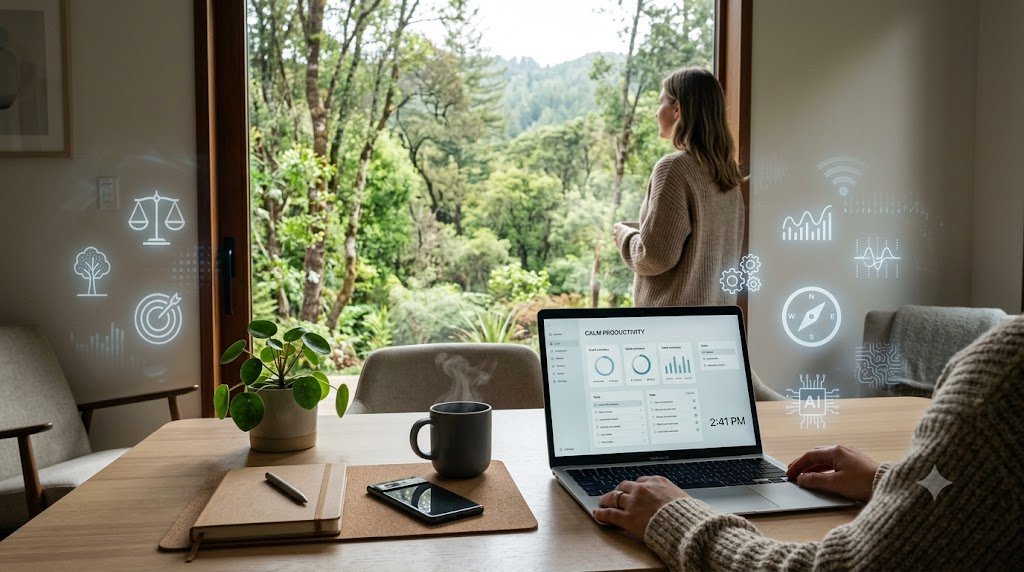
Have you ever picked up your phone just to check one notification, only to realize an hour has disappeared? You’re not alone. In 2026, digital devices have become more integrated into our lives than ever before. From AI-powered assistants and personalized social media feeds to remote work platforms and streaming services, screens dominate how we communicate, learn, shop, and entertain ourselves.
While technology offers incredible convenience, it also comes with a hidden cost. Constant notifications, endless scrolling, and information overload can reduce productivity, increase stress, interrupt sleep, and make it harder to enjoy the present moment. Many people now feel connected to everyone online while feeling disconnected from the world around them.
This growing challenge has led millions to embrace digital minimalism—a lifestyle that encourages intentional technology use instead of constant digital consumption. Digital minimalism isn’t about abandoning technology or deleting every social media account. It’s about using technology as a tool rather than allowing it to control your attention.
If you’ve been feeling mentally exhausted, distracted, or overwhelmed by your screen time, this guide will show you how to reduce digital overload without missing out on the opportunities technology provides.
1. What Is Digital Minimalism?
Digital minimalism is the practice of intentionally choosing how technology fits into your life rather than allowing every app, notification, and online platform to compete for your attention.
Instead of asking, “Which apps should I use?” digital minimalists ask, “Which technologies genuinely improve my life?”
The philosophy focuses on maximizing value while minimizing unnecessary digital distractions.
Rather than eliminating technology completely, digital minimalism encourages thoughtful decisions about where your time and attention are invested.
Quality Over Quantity
Technology becomes more useful when every digital tool serves a meaningful purpose.
Removing unnecessary digital clutter often increases productivity, creativity, and overall well-being.
2. Why Screen Time Continues to Increase
Modern apps are designed to capture attention.
Artificial Intelligence personalizes content feeds, recommendation systems continuously suggest new videos, and notifications encourage users to return repeatedly throughout the day.
Streaming platforms automatically play the next episode.
Social media offers endless scrolling.
Shopping apps generate personalized recommendations.
News platforms deliver breaking alerts every few minutes.
Combined, these features create habits that are surprisingly difficult to break.
Understanding how digital platforms compete for attention is the first step toward regaining control.
3. The Hidden Effects of Excessive Screen Time
Spending long hours on digital devices doesn’t just consume time—it affects mental and physical health.
Many people experience reduced concentration, increased anxiety, eye strain, poor posture, interrupted sleep, and lower productivity after prolonged screen use.
Constant multitasking also makes deep thinking more difficult.
Instead of focusing on one important activity, many people switch continuously between emails, messages, videos, and social media updates.
This constant interruption reduces overall efficiency while increasing mental fatigue.
Digital Fatigue Is Real
Even enjoyable online activities can become mentally exhausting when consumed without limits.
Creating intentional breaks allows the brain to recover and improves long-term focus.
4. Identify Your Digital Priorities
Reducing screen time doesn’t mean eliminating valuable technology.
Start by identifying which digital activities genuinely improve your life.
For example, educational platforms, work tools, online banking, fitness apps, navigation services, and communication with loved ones often provide meaningful value.
By contrast, endless scrolling through content that offers little benefit may simply consume hours without improving your day.
Knowing the difference helps create healthier digital habits.
5. Set Healthy Screen Time Boundaries
One of the simplest ways to reduce digital overload is creating intentional boundaries.
Choose specific times for checking email, social media, or news updates instead of responding continuously throughout the day.
Many people also benefit from technology-free mornings or evenings.
Beginning the day without immediately reaching for a smartphone often improves focus, while avoiding screens before bedtime supports better sleep quality.
Small boundaries consistently produce significant long-term improvements.
6. Replace Screen Time with Meaningful Activities
Reducing digital consumption becomes easier when replacing it with rewarding alternatives.
Reading books, exercising, learning new skills, cooking, spending time outdoors, practicing hobbies, or having face-to-face conversations create richer experiences than passive scrolling.
Rediscover Offline Experiences
Many people discover forgotten interests once they spend less time online.
Creative hobbies, sports, volunteering, and family activities often become more enjoyable when digital distractions decrease.
Rather than feeling deprived, digital minimalists frequently report feeling more fulfilled.
7. Manage Notifications More Intentionally
Notifications constantly interrupt attention.
Every alert encourages the brain to switch focus, making concentration more difficult.
Disabling unnecessary notifications dramatically reduces interruptions throughout the day.
Keeping only essential alerts for calls, important messages, work communications, or emergencies creates a calmer digital environment.
Your phone becomes less demanding while remaining useful.
8. Use AI to Save Time Instead of Wasting It
Artificial Intelligence can either increase productivity or encourage more screen time.
The difference depends on how it’s used.
AI assistants can summarize documents, organize schedules, automate repetitive tasks, generate meeting notes, and improve workflow efficiency.
Instead of spending additional hours online, AI can actually help reduce unnecessary digital work.
Using AI intentionally aligns perfectly with digital minimalism.
9. Build Better Social Media Habits
Social media isn’t inherently harmful.
The challenge arises when passive consumption replaces meaningful interaction.
Instead of endlessly scrolling through recommendations, focus on engaging with friends, learning something valuable, or following creators who genuinely inspire personal growth.
Limiting social media sessions to intentional time periods helps maintain balance while still enjoying online communities.
Avoid Fear of Missing Out
Many people worry they’ll miss important news or trends if they spend less time online.
In reality, genuinely significant information almost always reaches us through multiple channels.
Reducing unnecessary consumption rarely means missing what truly matters.
10. Make Digital Minimalism a Long-Term Lifestyle
Digital minimalism isn’t a one-week challenge.
It’s an ongoing process of regularly evaluating how technology serves your goals.
As new AI tools, social platforms, and digital services emerge throughout 2026 and beyond, periodically reassessing your technology habits helps maintain balance.
The objective isn’t perfection.
It’s intentional living.
Every small improvement creates more time for meaningful experiences, stronger relationships, better health, and greater personal satisfaction.
Finding Balance in an AI-Powered World
Technology will continue becoming smarter.
Artificial Intelligence will automate more daily tasks, personalize more experiences, and integrate into nearly every aspect of modern life.
This makes digital minimalism even more important.
The future belongs not only to people who understand technology but also to those who know when to disconnect.
Balancing digital innovation with mindful living allows individuals to enjoy the benefits of AI without sacrificing mental clarity or personal well-being.
Technology should enhance life—not replace it.
Final Thoughts
Digital minimalism is not about rejecting modern technology. It’s about reclaiming control over your attention, time, and energy.
By identifying your priorities, creating healthy digital boundaries, managing notifications, using AI wisely, replacing excessive screen time with meaningful experiences, and embracing intentional technology use, you can enjoy all the benefits of the digital world without feeling overwhelmed.
In 2026, where AI and connected devices continue transforming everyday life, the ability to disconnect thoughtfully has become a valuable life skill.
You don’t need to eliminate technology to improve your life.
You simply need to use it with purpose.
The less time you spend distracted by unnecessary digital noise, the more time you’ll have for learning, creating, connecting with others, and enjoying the moments that truly matter.









Leave a Reply