

There was a time when being busy was considered a badge of honor. Packed calendars, overflowing inboxes, endless notifications, and constant multitasking became symbols of productivity and success. Today, however, many people are beginning to question whether this always-connected lifestyle is actually making them happier. Instead of feeling accomplished, they often feel overwhelmed, mentally exhausted, and disconnected from the things that truly matter.
This growing realization has fueled the rise of slow living, a lifestyle philosophy that encourages people to be more intentional with their time, relationships, work, and daily routines. Rather than rushing through life chasing endless achievements, slow living focuses on creating balance, mindfulness, and meaningful experiences.
In 2025 and 2026, the movement has gained even more momentum as people seek healthier ways to navigate a world dominated by artificial intelligence, remote work, social media, and digital distractions. Slow living is no longer about escaping modern life—it is about learning how to enjoy it without constantly feeling rushed. Whether you’re a student, entrepreneur, professional, or parent, embracing slow living can help reduce stress, improve mental well-being, and create a more fulfilling life.
What Is Slow Living?
Slow living is a conscious lifestyle that encourages quality over quantity. It does not mean doing everything slowly or avoiding ambition. Instead, it means making thoughtful decisions about how you spend your time and energy.
At its core, slow living is about being present. It involves choosing meaningful activities over constant busyness, building genuine relationships instead of chasing online validation, and appreciating everyday moments that often go unnoticed.
The philosophy first gained attention through the Slow Food movement in Italy, which promoted enjoying fresh, locally prepared meals instead of relying on fast food. Over time, the concept expanded into other aspects of life, including work, travel, fashion, wellness, parenting, and personal development.
Today, slow living represents a growing desire to regain control over daily life in a world where everything seems to move faster each year.
Why the Digital World Feels Faster Than Ever
Technology has transformed the way people live, communicate, and work. While these advancements have created incredible opportunities, they have also introduced new challenges that many people struggle to manage.
Smartphones deliver hundreds of notifications each day. Social media platforms encourage endless scrolling. Artificial intelligence tools generate content within seconds. Emails arrive around the clock, and remote work has blurred the boundaries between professional and personal life.
As a result, many individuals rarely experience moments of complete mental rest.
The pressure to always stay updated, respond quickly, and remain productive has contributed to rising levels of stress and digital fatigue. Many people feel as though they are constantly running but never truly catching up.
Slow living offers an alternative by reminding people that productivity should support life—not control it.
The Growing Popularity of Slow Living in 2025 and 2026
The slow living movement has evolved significantly in recent years. Instead of being viewed as a niche lifestyle, it has become a practical solution for people seeking better mental health and improved work-life balance.
Many companies now encourage employees to establish healthier boundaries between work and personal time. Flexible schedules, digital wellness initiatives, and mental health programs have become increasingly common across workplaces.
Social media creators have also shifted their content. Rather than showcasing nonstop hustle culture, many influencers now promote realistic morning routines, mindful productivity, simple home living, reading habits, gardening, cooking from scratch, and spending time outdoors.
Consumers are becoming more selective about how they spend both their money and their attention. This shift reflects a growing belief that a meaningful life is not measured by constant activity but by intentional choices.
Understanding the Principles of Slow Living
1. Living with Intention
One of the most important aspects of slow living is making intentional decisions rather than reacting to everything around you.
Instead of filling every hour with tasks, people learn to prioritize what truly matters. They become more selective about commitments, allowing time for rest, creativity, and meaningful conversations.
Living intentionally also means understanding that saying no to unnecessary obligations often creates space for better opportunities.
2. Being Present in Everyday Moments
Modern life often encourages people to think about the next task before finishing the current one.
Slow living challenges this habit by encouraging mindfulness.
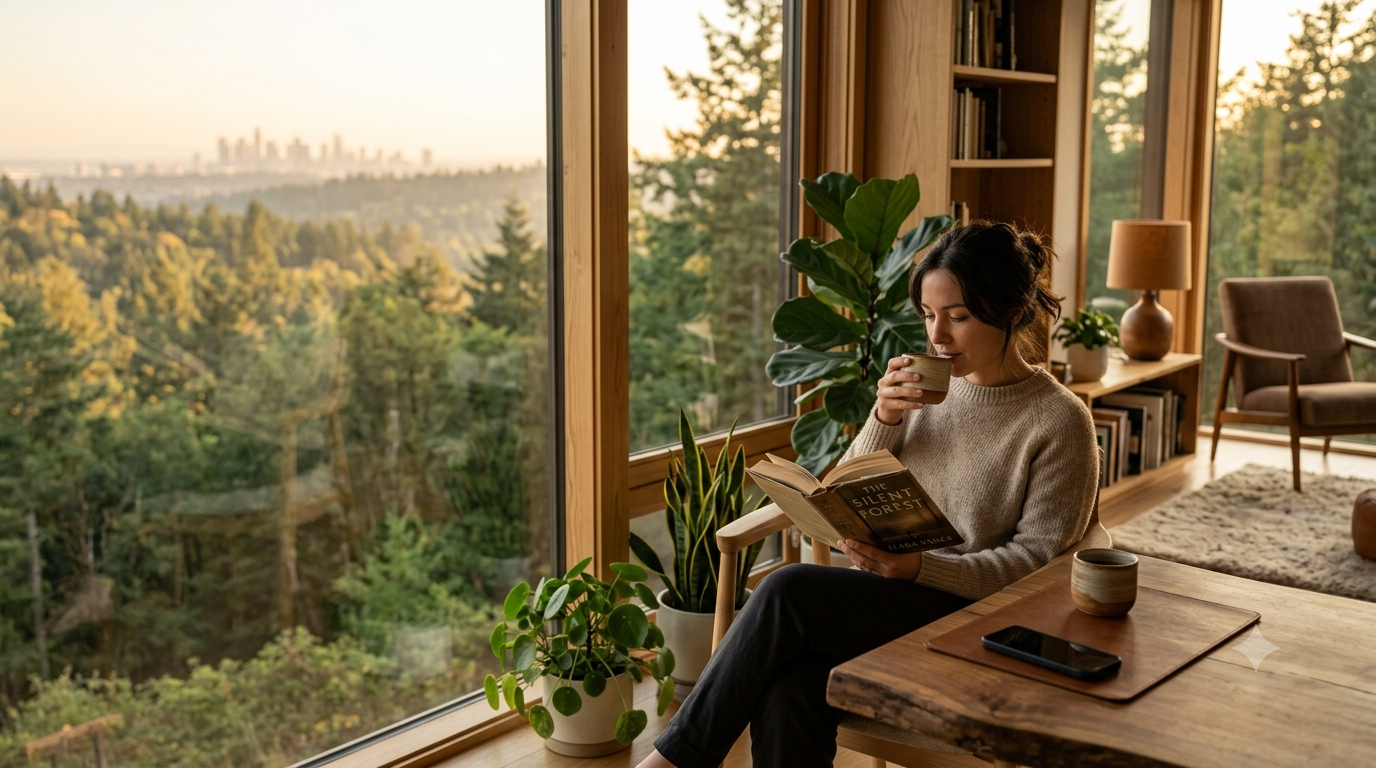
Whether drinking a cup of coffee, walking through a park, preparing dinner, or reading a book, being fully present helps reduce stress while increasing appreciation for simple experiences.
These ordinary moments often become the most memorable when given full attention.
3. Choosing Quality Over Quantity
Slow living extends beyond time management.
People increasingly prefer fewer but higher-quality possessions. Instead of purchasing inexpensive products that quickly wear out, many invest in durable, sustainable alternatives.
The same philosophy applies to friendships, work projects, and personal goals. Focusing on quality creates greater satisfaction than constantly chasing more.
How Slow Living Improves Mental Health
One of the biggest reasons people embrace slow living is its positive impact on emotional well-being.
Constant digital stimulation keeps the brain in a heightened state of alertness. Notifications, breaking news, emails, and social media updates compete for attention throughout the day.
This nonstop activity can increase anxiety, reduce concentration, and make relaxation difficult.
By intentionally slowing down, people create opportunities for their minds to recover. Reading without interruptions, taking technology-free walks, practicing meditation, or simply sitting quietly allows the brain to recharge naturally.
Mental clarity often improves when life contains moments of stillness.
The Role of Digital Minimalism
Slow living does not require abandoning technology.
Instead, it encourages healthier relationships with digital devices.
Digital minimalism involves using technology as a tool rather than allowing it to control daily life.
Many people now schedule screen-free hours, disable unnecessary notifications, limit social media usage, and avoid checking emails late at night.
These small changes often lead to better sleep, improved focus, and more meaningful interactions with family and friends.
Ironically, using technology less intentionally often results in getting more value from it.
Creating a Slow Living Routine
Adopting slow living does not require dramatic lifestyle changes. Small daily habits gradually create lasting transformation.
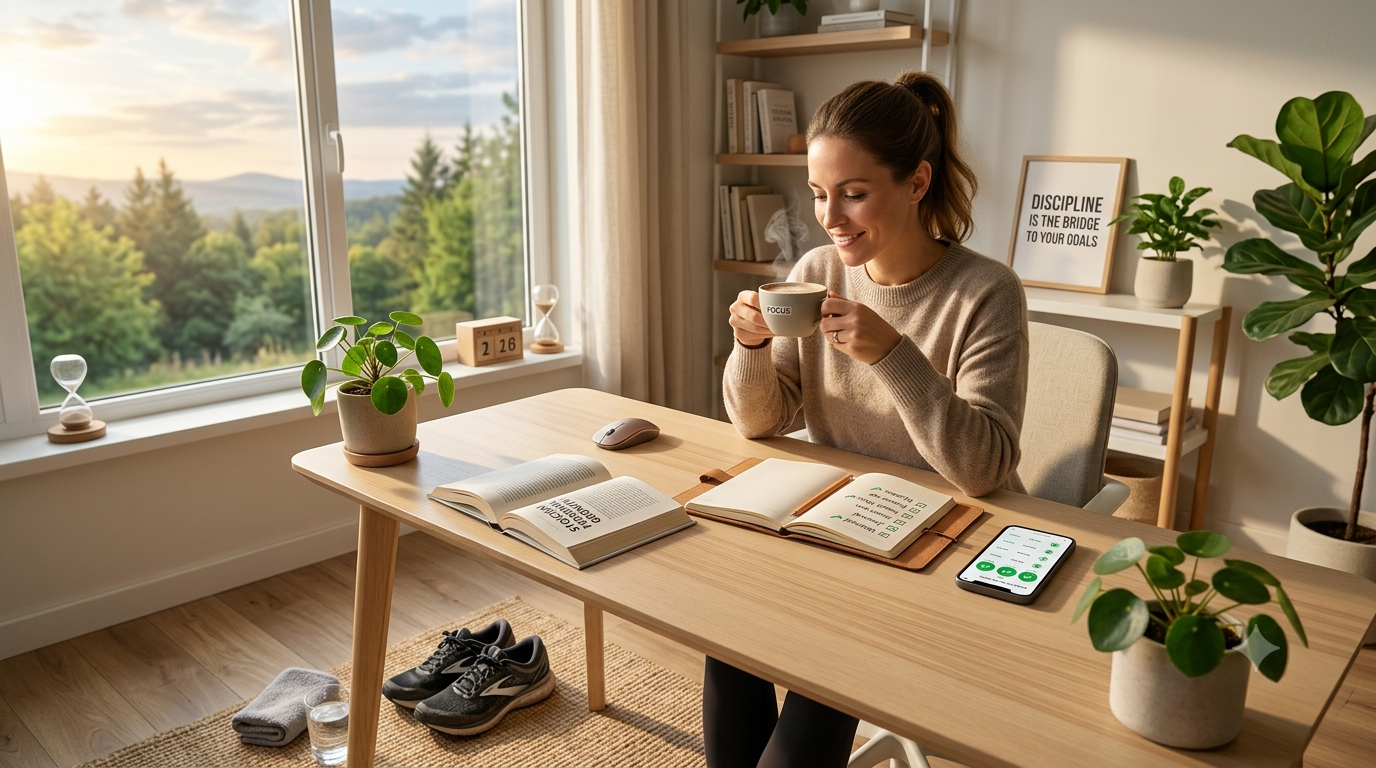
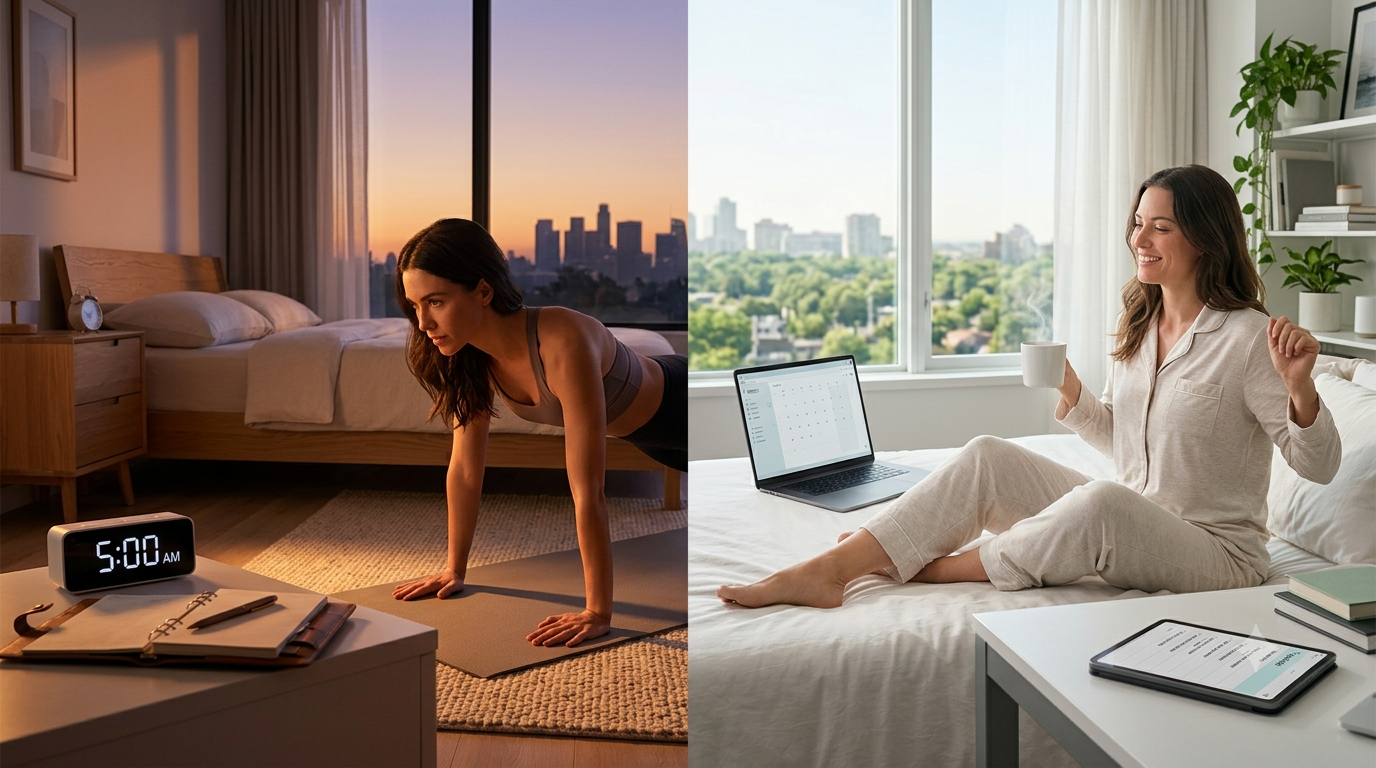
Beginning the day without immediately checking a phone can create a calmer mindset. Spending a few quiet minutes journaling, stretching, reading, or enjoying breakfast without distractions helps establish a more intentional rhythm.
Throughout the day, taking short breaks away from screens improves both productivity and mental energy. Many professionals now use focused work sessions followed by brief periods of rest instead of attempting to multitask continuously.
Evening routines also play an important role. Reducing screen time before bed, reading physical books, or spending time with loved ones creates healthier transitions into restful sleep.
Over time, these simple practices become natural parts of everyday life.
Slow Living and Sustainable Choices
Another reason slow living has gained popularity is its connection to sustainability.
Fast consumer culture encourages people to buy more, replace items frequently, and constantly seek the latest trends.
Slow living promotes thoughtful consumption.
People increasingly choose reusable products, support local businesses, purchase timeless clothing instead of fast fashion, reduce unnecessary waste, and appreciate experiences more than material possessions.
These habits not only benefit the environment but also reduce financial stress while encouraging mindful spending.
Living with less often creates a greater sense of freedom.
Finding Balance Instead of Perfection
A common misconception is that slow living requires moving to the countryside, leaving technology behind, or giving up ambitious career goals.
In reality, slow living is about balance.
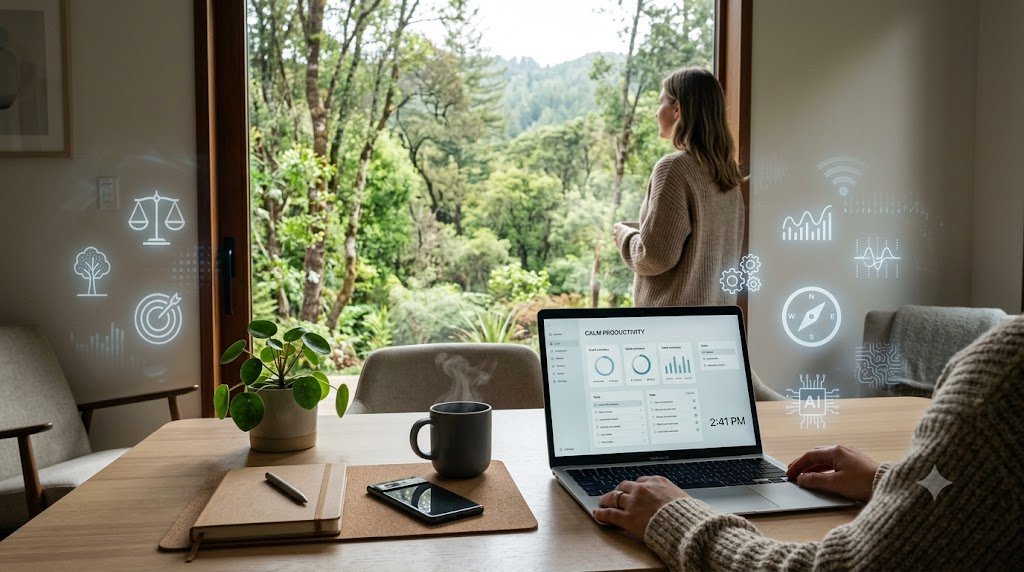
You can enjoy modern technology while maintaining healthy boundaries.
You can pursue career success while protecting personal time.
You can stay productive without sacrificing mental health.
Some days will naturally be busy, while others provide opportunities to slow down. The goal is not perfection but awareness.
Learning when to accelerate and when to pause creates a healthier, more sustainable lifestyle.
Why Slow Living Matters More Than Ever
Artificial intelligence, automation, and digital innovation continue to transform nearly every industry. While these technologies improve efficiency, they also increase the pace of modern life.
Ironically, as technology helps us complete tasks faster, many people find themselves taking on even more responsibilities.
Slow living serves as an important reminder that efficiency alone does not create happiness.
Relationships, creativity, health, and personal fulfillment still require time and attention.
As society continues evolving throughout 2026 and beyond, the people who intentionally create moments of calm may be the ones who experience the greatest long-term well-being.
Conclusion
The rise of slow living is not a rejection of technology or modern progress. Instead, it is a response to the growing realization that life becomes more meaningful when lived intentionally rather than hurriedly. In a world filled with constant notifications, endless deadlines, and digital distractions, slowing down has become a powerful act of self-care.
Choosing slow living means making conscious decisions about how you spend your time, where you focus your energy, and what truly deserves your attention. It is about finding joy in everyday moments, strengthening relationships, protecting your mental health, and creating a lifestyle that aligns with your values instead of society’s expectations.
You don’t need to transform your entire life overnight. Small changes, such as enjoying meals without your phone, taking mindful walks, limiting unnecessary screen time, or simply pausing to appreciate the present moment, can gradually reshape your daily experience. In the end, slow living reminds us that while the world may continue moving faster, we always have the choice to move through it with greater purpose, balance, and peace.



Leave a Reply