

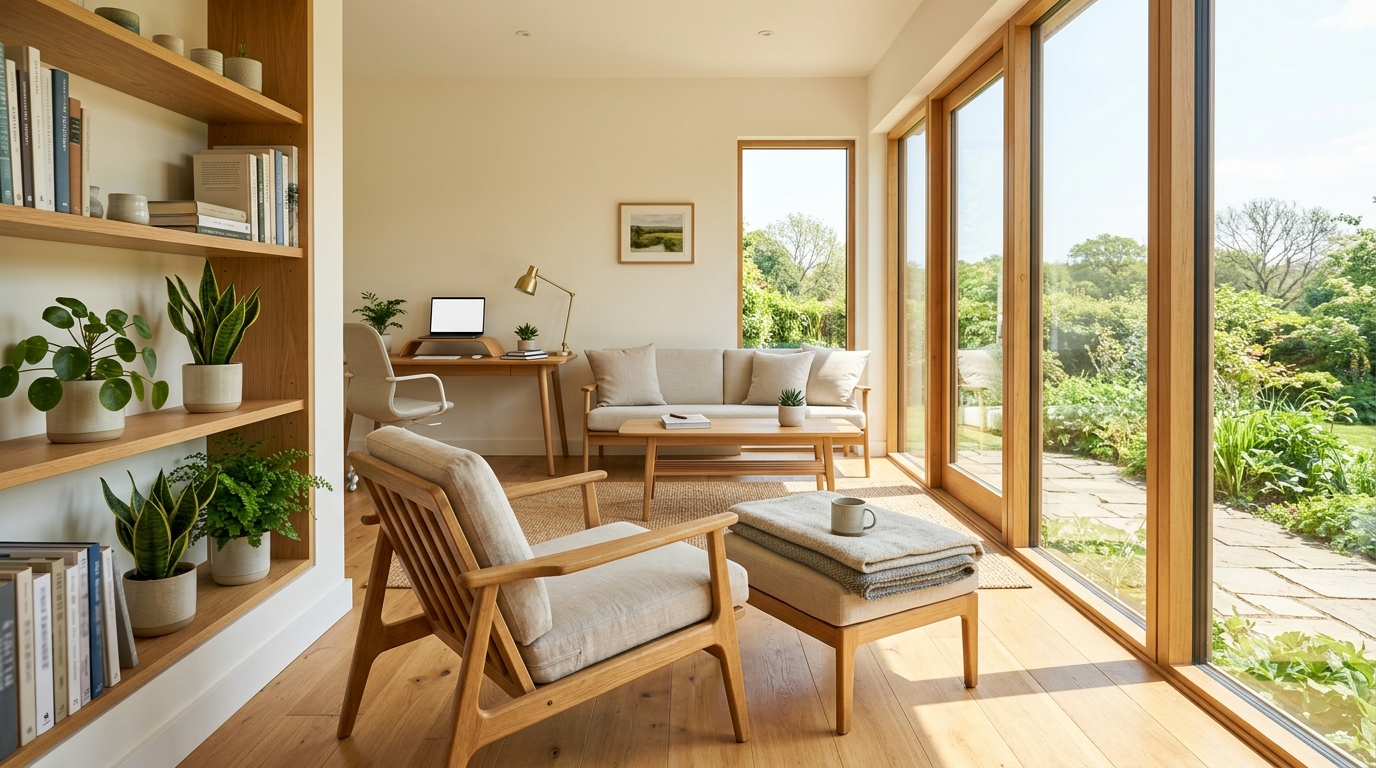
Have you ever walked into a messy room and instantly felt overwhelmed? Maybe there were clothes piled on a chair, unopened packages stacked on the table, or papers scattered across your desk. Even if you couldn’t explain why, your mood probably shifted the moment you saw the clutter. On the other hand, stepping into a clean, organized space often brings a sense of calm and clarity. This isn’t just a coincidence. The environment we live in has a powerful influence on our thoughts, emotions, and overall mental health.
In today’s fast-paced world, where work, family responsibilities, and digital distractions constantly compete for our attention, our homes should be a place of comfort rather than another source of stress. Yet many people unknowingly allow clutter to build up until it begins affecting their focus, sleep, productivity, and emotional well-being. Fortunately, creating a healthier living environment doesn’t require expensive renovations or a complete home makeover. Sometimes, the smallest changes can make the biggest difference.
Decluttering is more than simply getting rid of unwanted belongings. It is about creating space for peace of mind, improving daily routines, and surrounding yourself with things that genuinely add value to your life. As more people embrace mindful living and wellness-focused lifestyles in 2025 and 2026, decluttering has become an essential part of maintaining both physical and mental health.
What Is Decluttering?
Decluttering is the process of removing unnecessary items from your living space and organizing what remains in a way that supports your daily life. While many people associate decluttering with cleaning, the two are quite different.
Cleaning involves removing dirt, dust, and germs. Decluttering, on the other hand, focuses on reducing excess possessions that create visual and mental chaos. A house can be perfectly clean but still feel overwhelming if every surface is crowded with unnecessary items.
Decluttering encourages intentional living. Instead of holding onto everything “just in case,” it inspires people to keep only what they truly need, use, or love. This simple shift can transform not only your home but also your mindset.
Why Clutter Affects Mental Well-Being
Our brains constantly process the information around us. Every object in a room competes for a small portion of our attention, even if we aren’t consciously thinking about it.
When surfaces are filled with random items, unfinished projects, and unnecessary belongings, the brain receives continuous visual stimulation. This can increase feelings of stress, reduce concentration, and make it harder to relax.
Many psychologists have found that clutter contributes to mental fatigue because the mind must work harder to filter out distractions. Over time, this constant overload can leave people feeling anxious, unmotivated, and emotionally drained.
A clutter-free environment, by contrast, promotes a greater sense of control. When your surroundings feel organized, your mind often follows the same pattern.
The Connection Between Decluttering and Mental Health
A tidy living space does more than improve appearances. It creates an environment that supports emotional well-being.
Many people report feeling lighter after removing unnecessary possessions. Letting go of unused items often feels like releasing mental baggage that has quietly accumulated over time.
Decluttering also reduces decision fatigue. Imagine opening a wardrobe filled only with clothes you actually enjoy wearing. Choosing an outfit becomes easier, saving both time and mental energy.
Similarly, an organized kitchen makes meal preparation less stressful, while a clean workspace encourages better focus and creativity.
These small improvements may seem insignificant individually, but together they create a noticeable improvement in everyday life.
Signs Your Home May Be Affecting Your Mood
Sometimes clutter builds so gradually that people stop noticing it.
If you frequently lose important items, avoid inviting guests over, feel overwhelmed before starting household chores, or struggle to concentrate while working from home, clutter may be contributing to your stress.
Many people also experience guilt when looking at unfinished projects or unused purchases scattered throughout the house. These constant reminders quietly occupy mental space, making relaxation more difficult.
Recognizing these signs is the first step toward creating a healthier home environment.
Simple Changes That Make a Big Difference
1. Start with One Small Area
One of the biggest mistakes people make is trying to declutter their entire home in a single weekend.
Large projects quickly become exhausting.
Instead, begin with one drawer, one shelf, or one bedside table. Completing a small task creates momentum and builds confidence for larger projects later.
Progress becomes much more sustainable when approached one step at a time.
2. Clear Frequently Used Spaces First
Focus on the areas you interact with every day.
The kitchen counter, dining table, bedroom, bathroom, or home office often have the greatest impact on daily routines.
Removing unnecessary items from these spaces immediately makes everyday activities feel easier and more enjoyable.
Small improvements in high-traffic areas often produce the biggest psychological benefits.
3. Create a Home for Everything
Clutter often returns because belongings don’t have designated storage spaces.
Giving every item a permanent place makes cleaning easier and reduces the likelihood of future messes.
When everything has a home, putting things away becomes a natural habit instead of a frustrating chore.
4. Let Go of “Just in Case” Thinking
Many people keep items because they believe they might need them someday.
While this occasionally makes sense, holding onto everything out of fear often leads to unnecessary accumulation.
If something hasn’t been used for years and no longer serves a practical purpose, it may be time to donate, recycle, or responsibly dispose of it.
Learning to let go creates room for what truly matters.
Decluttering Your Digital Space
Modern clutter isn’t limited to physical belongings.
Smartphones filled with unused apps, thousands of unread emails, duplicate photos, and constant notifications can create just as much mental stress.
Digital decluttering has become increasingly important in 2025 and 2026 as people spend more time online than ever before.
Deleting unnecessary files, organizing documents, unsubscribing from unwanted emails, and limiting notifications can significantly improve focus and reduce information overload.
A cleaner digital environment often leads to greater productivity and a calmer state of mind.
The Benefits of an Organized Home
An organized home supports nearly every aspect of daily life.
People often sleep better in tidy bedrooms because the environment feels peaceful and relaxing. Working from a clean desk improves concentration and efficiency, especially for those who work remotely.
Families also benefit from reduced household stress. Organized spaces make daily routines smoother, reducing arguments over misplaced belongings and making it easier to complete everyday tasks.
Financially, decluttering can also help. When people know exactly what they own, they are less likely to purchase unnecessary duplicates or impulse buys.
Over time, these advantages contribute to both emotional and financial well-being.
Building Decluttering Habits That Last
The goal isn’t to achieve a perfectly spotless home every day.
Instead, focus on developing simple habits that prevent clutter from returning.
Spending just ten minutes each evening putting items back where they belong can dramatically reduce household mess.
Making the bed every morning, sorting mail immediately, and returning objects after using them are small routines that require little effort but deliver lasting results.
Consistency matters far more than perfection.
Over weeks and months, these habits become automatic, helping your home remain calm and organized without requiring major cleaning sessions.
Why Decluttering Is More Relevant Than Ever
The modern world encourages constant consumption.
Online shopping, fast delivery services, and targeted advertising make it easier than ever to accumulate possessions.
At the same time, many people are recognizing that owning more doesn’t necessarily create greater happiness.
Minimalist lifestyles, mindful spending, and sustainable living have become increasingly popular because they encourage quality over quantity.
Decluttering aligns perfectly with these values by helping people focus on experiences, relationships, and personal well-being instead of endless accumulation.
As wellness trends continue evolving throughout 2026, more individuals are discovering that simplifying their surroundings often leads to a simpler, more peaceful state of mind.
Creating a Home That Supports Happiness
Every home tells a story.
The objects we choose to keep reflect our priorities, memories, and lifestyle.
Creating an organized space doesn’t mean removing every personal item or decorating with empty minimalism. Instead, it means intentionally surrounding yourself with things that inspire comfort, purpose, and joy.
A home filled with meaningful belongings rather than unnecessary clutter becomes a place where you can truly relax, recharge, and spend quality time with loved ones.
That sense of peace extends far beyond the walls of your home, positively influencing your work, relationships, and overall outlook on life.
Conclusion
Decluttering your home is one of the simplest yet most powerful ways to improve your mental well-being. While it may begin with organizing a drawer or clearing a countertop, the benefits often reach much deeper. A cleaner, more intentional living space reduces stress, improves focus, supports healthier routines, and creates an environment where both the mind and body can thrive.
You don’t need to transform your entire house overnight. Small, consistent changes are often the most effective. Each item you remove, each surface you clear, and each habit you build contributes to a home that feels lighter, calmer, and more supportive of your daily life.
In a world filled with constant distractions and endless demands, your home should be a place that restores your energy rather than drains it. By embracing decluttering as an ongoing lifestyle instead of a one-time project, you’re not just organizing your belongings—you’re creating space for greater clarity, happiness, and peace of mind.





Leave a Reply