

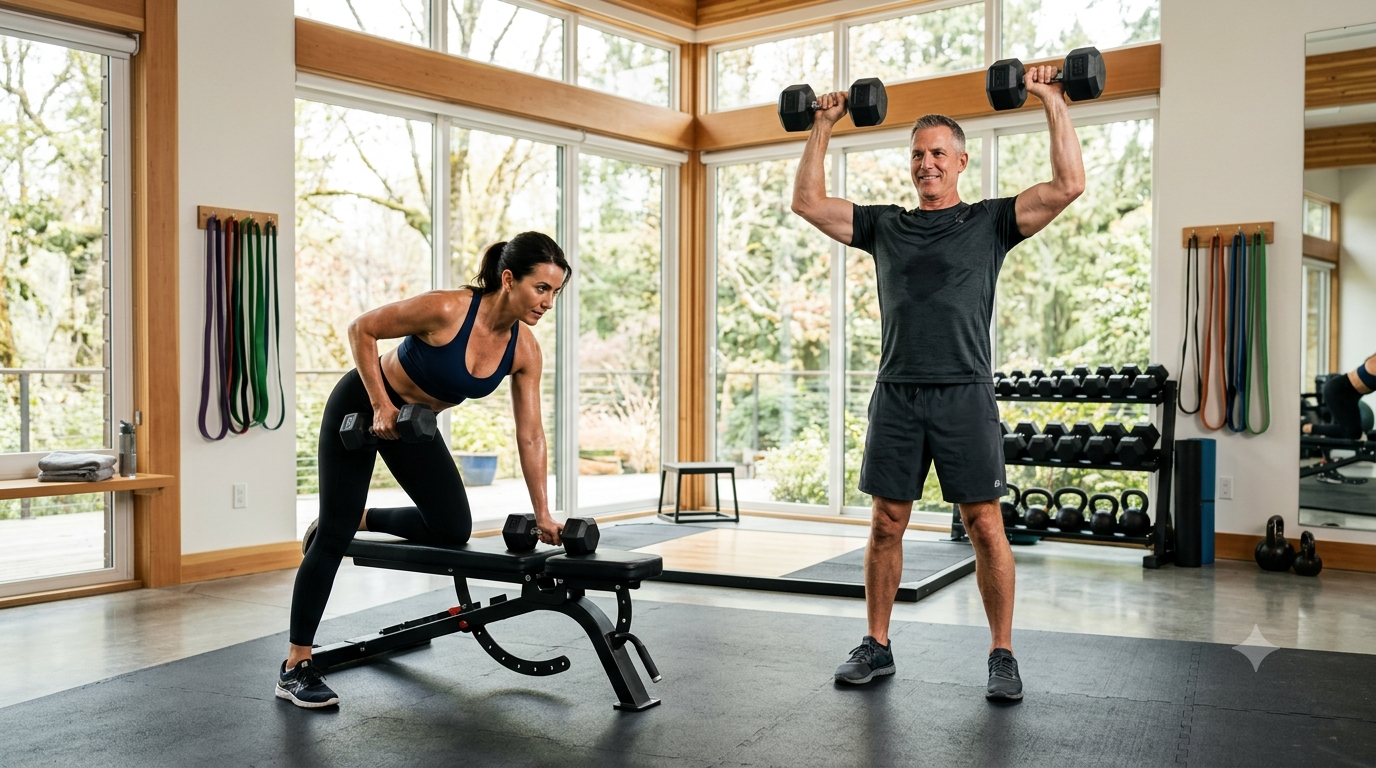
Reaching your 40s often marks the beginning of a new chapter in life. While many people become more confident professionally and personally, they may also notice changes in their physical health. Everyday activities like climbing stairs, lifting heavy grocery bags, or recovering after a long day can feel more challenging than they once did. These changes are a natural part of aging, but they don’t have to define your future. One of the most effective ways to stay strong, healthy, and active after 40 is through strength training.
For years, many believed that lifting weights was primarily for athletes or younger individuals looking to build muscle. Today, science tells a different story. Strength training is now recognized as one of the most important forms of exercise for adults over 40. It helps preserve muscle mass, strengthen bones, improve metabolism, support joint health, and reduce the risk of chronic diseases. More importantly, it enhances the quality of everyday life by making routine movements easier and reducing the likelihood of injuries.
In 2025 and 2026, healthcare professionals, fitness experts, and longevity researchers continue to emphasize resistance training as a cornerstone of healthy aging. Whether you’ve never lifted a weight before or you’re returning to exercise after several years, it’s never too late to start. With the right approach, strength training can help you feel stronger, more energetic, and more confident for decades to come.
Why Strength Training Becomes More Important After 40
As we age, our bodies naturally begin to lose muscle mass through a process known as sarcopenia. This gradual decline often begins in the 30s and accelerates after the age of 40 if no preventive action is taken.
Loss of muscle doesn’t only affect appearance. It can reduce strength, slow metabolism, decrease balance, and make everyday tasks more difficult. At the same time, bone density gradually declines, increasing the risk of fractures and osteoporosis later in life.
Hormonal changes also influence body composition. Many people notice increased body fat, slower recovery, and reduced energy levels despite maintaining similar eating habits.
Strength training directly addresses these age-related changes by stimulating muscle growth, preserving bone density, and improving overall physical function.
Rather than trying to reverse aging, it helps your body age more successfully.
The Science Behind Strength Training
Resistance training places controlled stress on muscles, encouraging them to adapt and become stronger.
When muscles contract against resistance, tiny muscle fibers experience microscopic damage. During recovery, the body repairs these fibers, making them stronger and more resilient than before.
Strength training also stimulates bone-building cells, increasing bone strength while improving joint stability.
In addition, resistance exercise enhances insulin sensitivity, improves cardiovascular health, and supports healthy hormone regulation.
Modern research consistently shows that adults over 40 can gain significant strength and muscle regardless of previous fitness experience.
Age is not a barrier to improvement.
The Biggest Benefits of Strength Training After 40
1. Preserves and Builds Muscle Mass
One of the greatest advantages of resistance training is its ability to slow or even reverse age-related muscle loss.
Maintaining muscle supports better movement, improves posture, and allows individuals to remain physically independent later in life.
Stronger muscles also improve overall athletic performance and make daily activities feel easier.
2. Strengthens Bones
Bone density naturally decreases with age, particularly among women after menopause.
Weight-bearing resistance exercises stimulate bone remodeling, helping reduce the risk of osteoporosis and fractures.
Exercises such as squats, lunges, overhead presses, and deadlifts encourage stronger bones while improving overall stability.
3. Boosts Metabolism
Muscle tissue requires more energy than fat tissue, even while the body is at rest.
Building lean muscle helps increase resting metabolic rate, allowing the body to burn more calories throughout the day.
This makes long-term weight management easier while supporting healthier body composition.
4. Improves Balance and Reduces Fall Risk
Falls become a greater concern as people age.
Strength training improves lower-body strength, coordination, and balance while enhancing joint stability.
These improvements significantly reduce the likelihood of falls and related injuries.
Maintaining mobility contributes directly to long-term independence.
5. Supports Joint Health
Contrary to common misconceptions, properly performed strength training often improves joint health rather than harming it.
Stronger muscles provide greater support around joints, reducing unnecessary stress during movement.
Many individuals with mild joint discomfort experience reduced pain after developing stronger surrounding muscles.
Good exercise technique remains essential for protecting joints while maximizing benefits.
6. Enhances Mental Well-Being
Exercise benefits far more than physical health.
Regular resistance training improves mood, reduces stress, boosts confidence, and may decrease symptoms of anxiety and depression.
Many people also experience better sleep quality and greater mental clarity after establishing consistent workout routines.
Feeling physically stronger often translates into increased confidence across other areas of life.
Common Concerns About Strength Training After 40
Many beginners hesitate to start because they worry about injuries or believe they are “too old.”
Fortunately, these concerns are usually based on misconceptions rather than reality.
Properly designed strength programs are highly adaptable and can accommodate nearly every fitness level.
Another common myth is that lifting weights automatically leads to excessive muscle size.
In reality, building significant muscle mass requires years of focused training, nutrition, and genetics.
Most adults over 40 simply develop stronger, leaner, and more functional bodies.
The goal isn’t becoming a bodybuilder—it’s becoming healthier.
Beginner Tips for Starting Strength Training
1. Begin with Basic Movement Patterns
Learning proper movement is far more important than lifting heavy weights.
Exercises such as bodyweight squats, wall push-ups, glute bridges, step-ups, and resistance band rows teach correct technique while building confidence.
Mastering these foundational movements creates a strong base for future progress.
2. Focus on Full-Body Workouts
Beginners generally benefit more from full-body training than highly specialized routines.
Working all major muscle groups two or three times each week promotes balanced development while allowing adequate recovery between sessions.
Consistency matters far more than workout complexity.
3. Prioritize Proper Technique
Using correct form reduces injury risk while ensuring muscles perform the intended work.
It is always better to lift lighter weights with excellent technique than heavier weights with poor control.
Many beginners benefit from working with a qualified trainer during the early stages or using reputable instructional resources.
Developing good habits early creates long-term success.
4. Increase Weight Gradually
Strength improves over time through progressive overload.
Rather than making large jumps in weight, increase resistance gradually as exercises become easier.
Small, consistent improvements produce safer and more sustainable progress than sudden increases in intensity.
Patience is one of the greatest strengths in long-term fitness.
5. Allow Time for Recovery
Recovery becomes increasingly important after 40.
Muscles grow and strengthen between workouts rather than during them.
Most beginners should allow at least one day of recovery between strength-training sessions targeting the same muscle groups.
Quality sleep, balanced nutrition, hydration, and stress management all contribute to effective recovery.
Listening to your body is essential.
Nutrition Supports Strength Gains
Exercise provides the stimulus for improvement, but nutrition supplies the building materials.
Protein plays a major role in repairing and building muscle tissue.
Lean meats, fish, eggs, dairy products, legumes, tofu, and protein-rich snacks all support recovery.
Carbohydrates provide energy for workouts, while healthy fats support hormone production and overall health.
Staying hydrated also improves exercise performance and recovery.
Rather than following restrictive diets, focus on balanced meals that consistently fuel your body.
Technology Makes Training Easier Than Ever
Fitness technology has transformed strength training in recent years.
Smartwatches can monitor heart rate, recovery, workout duration, and overall activity levels.
AI-powered fitness applications now create personalized strength programs while providing exercise demonstrations and progress tracking.
Virtual personal training has also become more accessible, allowing beginners to receive expert guidance from home.
These innovations help individuals train safely while maintaining long-term motivation.
Building a Lifelong Habit
One of the greatest advantages of strength training is that the benefits continue accumulating over time.
You don’t need to spend hours in the gym every day.
Even two or three well-planned sessions each week can significantly improve strength, mobility, energy levels, and overall health.
The goal isn’t perfection.
Missing an occasional workout matters far less than maintaining consistency over months and years.
Strength training should become part of a healthy lifestyle rather than a temporary challenge.
Why Strength Training Is Essential for Healthy Aging
Healthcare experts increasingly describe muscle strength as one of the strongest predictors of healthy aging.
Individuals who maintain muscle mass generally experience greater independence, improved mobility, lower disease risk, and higher quality of life as they grow older.
Rather than focusing solely on lifespan, strength training improves healthspan—the number of years spent living actively and independently.
This makes resistance training one of the most valuable investments you can make in your future health.
Conclusion
Strength training after 40 is not about chasing unrealistic fitness goals or lifting the heaviest weights in the gym. It is about building a body that supports you through every stage of life. By preserving muscle mass, strengthening bones, improving balance, boosting metabolism, and enhancing mental well-being, resistance training provides benefits that extend far beyond physical appearance.
Starting may feel intimidating, especially if you’ve never exercised regularly before, but the key is to begin with simple movements, focus on proper technique, and progress gradually. Consistency, patience, and recovery are far more important than intensity. Every workout contributes to a stronger foundation for the years ahead.
As research continues to highlight the importance of resistance exercise in 2026 and beyond, one message remains clear: it’s never too late to become stronger. Whether your goal is improving everyday mobility, protecting your long-term health, or simply feeling more energetic, strength training offers one of the most effective paths toward healthy aging and a better quality of life.








Leave a Reply