

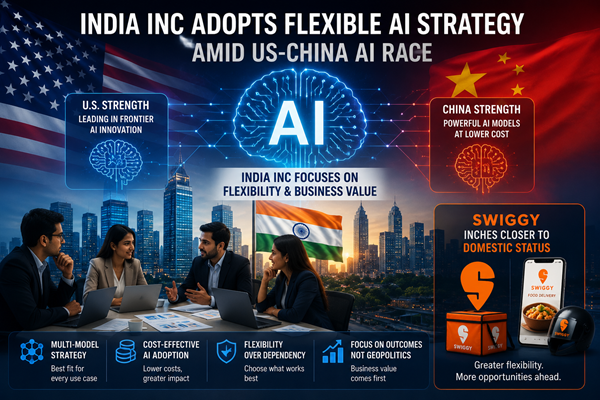
Indian Businesses Focus on Practical AI Adoption
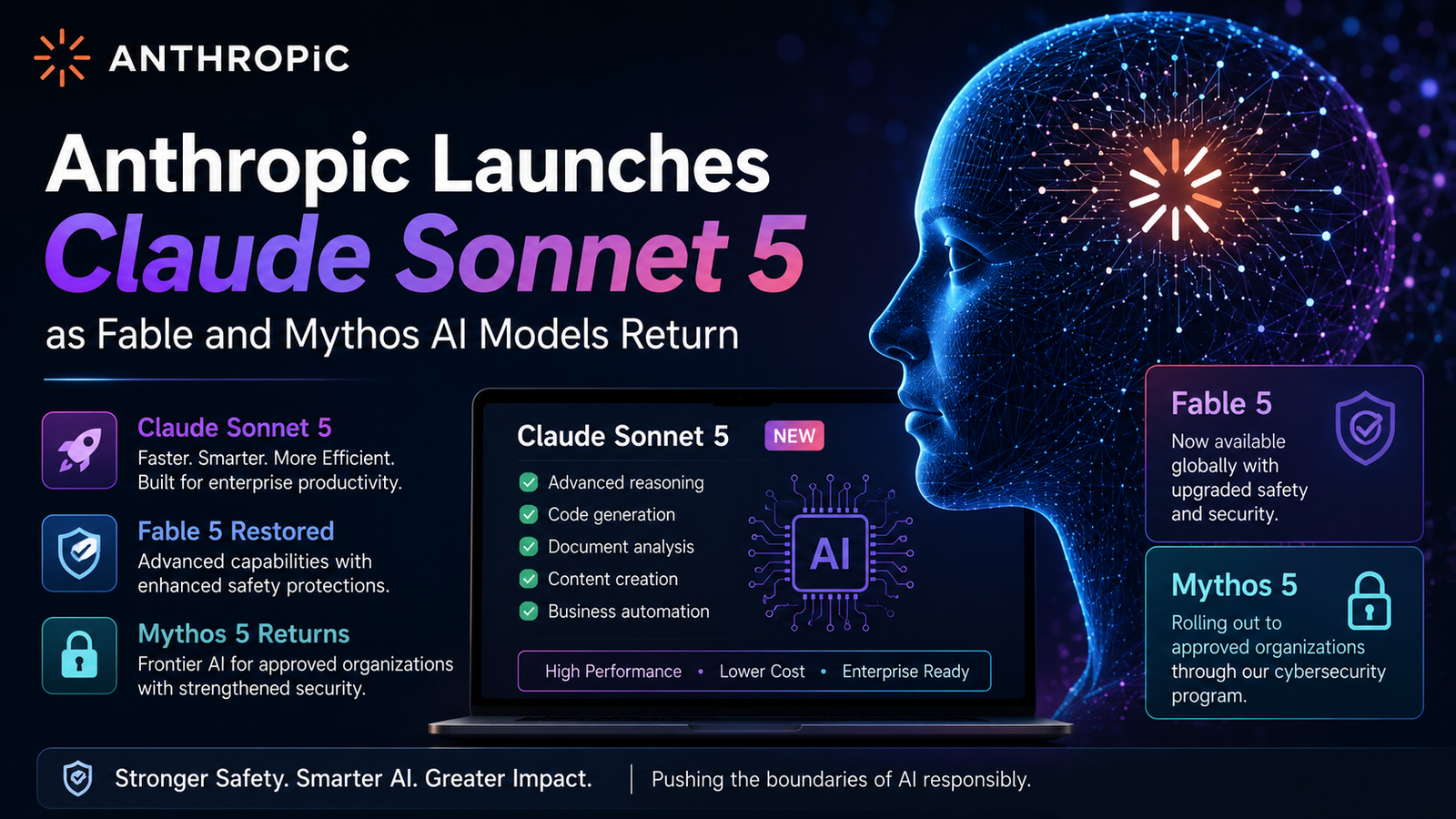
As global competition in artificial intelligence intensifies, Indian companies are taking a pragmatic approach to AI adoption. Instead of choosing between technologies developed in the United States or China, businesses are increasingly selecting AI models based on performance, affordability, and suitability for specific tasks.
This strategy reflects a growing preference for flexibility over dependence on a single AI provider.
US and China Offer Different Strengths
The global AI landscape is becoming increasingly competitive, with the United States and China pursuing different paths to leadership.
American technology companies continue to dominate the development of cutting-edge AI models known for their advanced capabilities and high performance. Meanwhile, Chinese firms are attracting attention by offering powerful AI models at significantly lower costs, making advanced artificial intelligence more accessible to businesses and developers.
This contrast is giving organizations more choices when selecting AI technologies for their operations.
Multi-Model AI Strategy Gains Popularity
Rather than relying on one AI platform, many Indian enterprises are adopting a multi-model approach. Businesses are combining premium AI models for complex analytical tasks with lower-cost or open-weight alternatives for routine operations.
This balanced strategy enables organizations to improve efficiency while keeping technology expenses under control.
Companies believe that using multiple AI providers also reduces dependency on any single platform and provides greater operational flexibility as AI technology continues to evolve.
Cost Becomes a Key Driver of AI Adoption
Affordability is emerging as one of the most important factors influencing AI investment decisions. Lower-cost AI models are making it easier for startups and established enterprises alike to integrate artificial intelligence into daily business processes.
By reducing implementation costs, organizations can expand AI usage across customer service, software development, marketing, data analysis, and internal operations without significantly increasing budgets.
Indian Enterprises Prioritize Business Value
Instead of focusing on geopolitical competition between the world’s largest technology powers, Indian companies are emphasizing practical business outcomes.
Organizations are evaluating AI solutions based on reliability, scalability, security, and return on investment rather than the country where the technology was developed. This customer-focused approach allows businesses to select the most effective tools for their individual requirements.
Swiggy Nears Indian-Owned Company Status
The newsletter also highlights developments at Swiggy, which is reportedly moving closer to qualifying as an Indian-owned and controlled company.
Achieving this classification could provide the food delivery platform with greater operational flexibility under India’s foreign investment regulations, potentially opening new opportunities for business expansion and strategic decision-making.
AI Competition Moves Beyond Technology
The evolving AI race is no longer determined solely by which country develops the most advanced models. Accessibility, affordability, and ease of deployment are becoming equally important factors influencing adoption worldwide.
Companies are increasingly seeking AI solutions that deliver measurable business value while remaining cost-effective and adaptable to changing market needs.
Looking Ahead
India’s evolving AI strategy demonstrates that businesses are prioritizing flexibility over exclusivity. By combining advanced AI models with affordable alternatives, enterprises can maximize innovation while maintaining financial efficiency.
As competition between global AI providers continues to grow, organizations are expected to adopt increasingly diversified AI ecosystems, selecting technologies based on practical business objectives rather than geographic origin.









Leave a Reply