

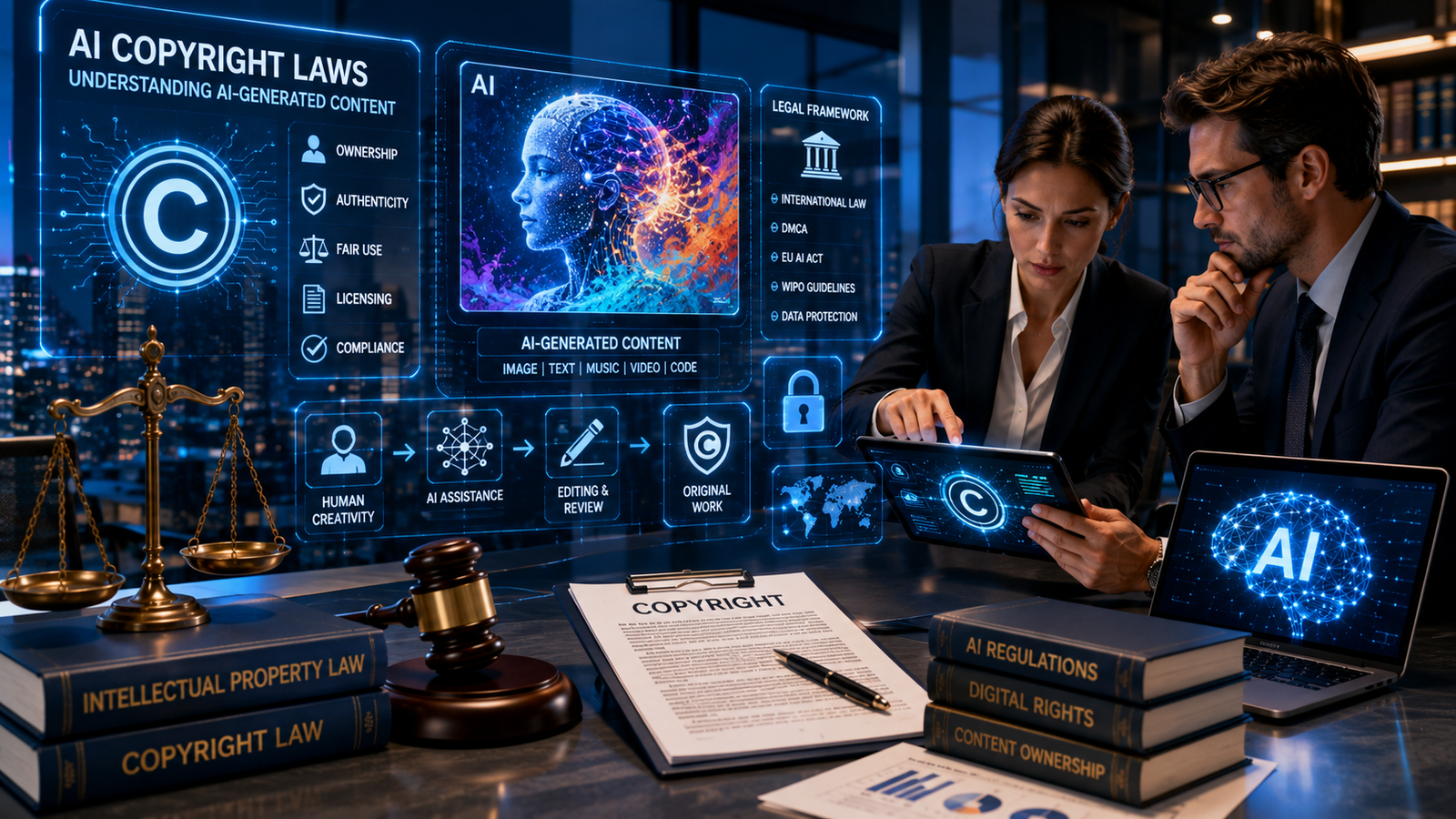
Artificial intelligence has transformed the way people create content. From writing blog posts and designing logos to composing music and generating realistic images, AI tools are enabling creators and businesses to produce high-quality work faster than ever before. What once took hours or even days can now be completed in minutes with the help of advanced generative AI models.
While this rapid innovation has unlocked incredible opportunities, it has also introduced complex legal questions. Who owns AI-generated content? Can businesses copyright images created using AI? Are developers allowed to train AI models on copyrighted material? What happens if AI unintentionally reproduces someone else’s creative work?
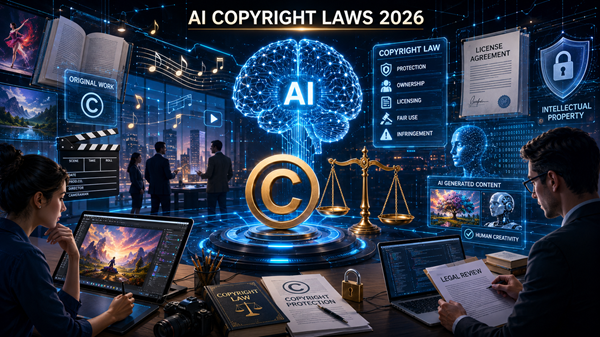
These questions are no longer theoretical. Governments, courts, technology companies, and copyright offices around the world are actively shaping new legal frameworks to address the growing influence of artificial intelligence. As AI adoption accelerates in 2026, understanding copyright law has become essential for businesses, creators, marketers, publishers, and developers.
Whether you’re using AI to create marketing materials, publish articles, develop software, or generate digital artwork, knowing how AI-generated content is regulated can help you avoid legal risks while protecting your creative work.
1. Why AI Copyright Laws Have Become a Global Priority
Artificial intelligence has fundamentally changed the creative process.
Unlike traditional software that simply edits existing content, modern AI systems generate entirely new text, images, music, videos, and code based on enormous datasets.
This creates an important legal challenge because copyright laws were originally designed to protect human creativity rather than machine-generated content.
Governments now face the difficult task of balancing innovation with the rights of authors, artists, photographers, musicians, filmmakers, and software developers whose works may have contributed to AI training datasets.
As AI capabilities continue expanding, copyright law has become one of the most closely watched areas of technology regulation.
Why Businesses Should Care
Organizations that use AI-generated content without understanding copyright rules may face legal disputes, licensing issues, reputational damage, or unexpected compliance obligations.
2. Who Owns AI-Generated Content?
One of the most frequently discussed legal questions is ownership.
In many jurisdictions, copyright protection traditionally requires meaningful human creativity. This means that content generated entirely by artificial intelligence without significant human involvement may not automatically qualify for copyright protection.
However, if a person actively directs the creative process by developing prompts, editing outputs, combining AI-generated elements with original work, or making substantial creative decisions, the legal position may differ depending on local copyright laws.
Because regulations continue evolving throughout 2026, businesses should carefully review how different countries treat AI-assisted creative works before relying on copyright protection.
3. AI Training Data Remains a Major Legal Debate
Generative AI models require enormous datasets for training.
These datasets often include books, news articles, artwork, photographs, software code, research papers, music, and publicly available online content.
Many creators argue that copyrighted works should not be used without permission or compensation.
Technology companies, meanwhile, often maintain that training AI models involves learning patterns rather than reproducing original works.
Courts and lawmakers around the world continue examining this issue, making AI training data one of the most significant copyright discussions in 2026.
Why This Matters
Future legal decisions regarding AI training data may influence how future AI systems are developed and licensed.
4. Businesses Must Understand Commercial Usage Rights
Using AI-generated content commercially involves more than simply creating it.
Companies should understand the licensing terms of the AI platforms they use, including ownership rights, commercial permissions, content restrictions, and intellectual property policies.
Different AI providers may grant different usage rights depending on subscription plans or platform policies.
Businesses should also review generated content carefully before publication to reduce the risk of unintentionally reproducing protected material.
Responsible review processes are becoming an important part of AI governance strategies.
5. Human Creativity Still Plays a Central Role
Although artificial intelligence can generate impressive creative content, human involvement remains extremely important from both legal and practical perspectives.
Professional writers edit AI-generated articles, designers refine AI artwork, musicians adjust AI compositions, and software developers review AI-generated code.
These creative contributions often improve originality, quality, and legal defensibility.
Organizations increasingly view AI as a creative assistant rather than a replacement for human expertise.
This collaborative approach not only enhances content quality but also aligns more closely with existing copyright principles in many jurisdictions.
6. Transparency Requirements Are Increasing
Governments and regulatory bodies increasingly encourage transparency regarding AI-generated content.
Some industries now recommend or require organizations to disclose when AI has been used to create certain materials.
Transparent disclosure helps consumers understand how content was produced while strengthening public trust.
Businesses also benefit from documenting AI-assisted workflows, including prompt development, editing history, and human review processes.
Such documentation may become increasingly valuable if copyright ownership is ever challenged.
7. Copyright Challenges Differ Across Creative Industries
AI affects every creative sector differently.
Publishers face questions regarding AI-generated articles.
Advertising agencies evaluate ownership of AI-created marketing campaigns.
Film studios consider AI-generated scripts, voices, and visual effects.
Software companies assess AI-generated programming code.
Music producers examine AI-assisted compositions.
Each industry faces unique legal considerations, making sector-specific compliance increasingly important.
Organizations should monitor developments relevant to their own industries rather than relying solely on general copyright guidance.
8. International Copyright Rules Continue to Evolve
Copyright law is not identical across every country.
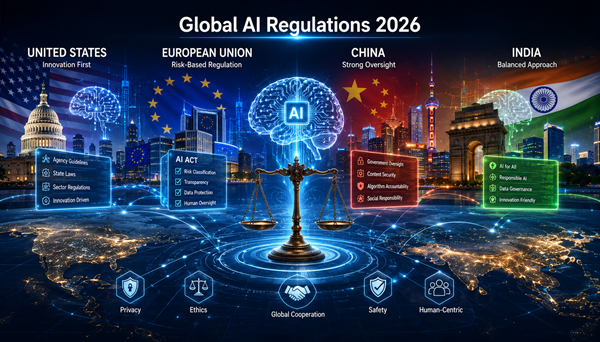
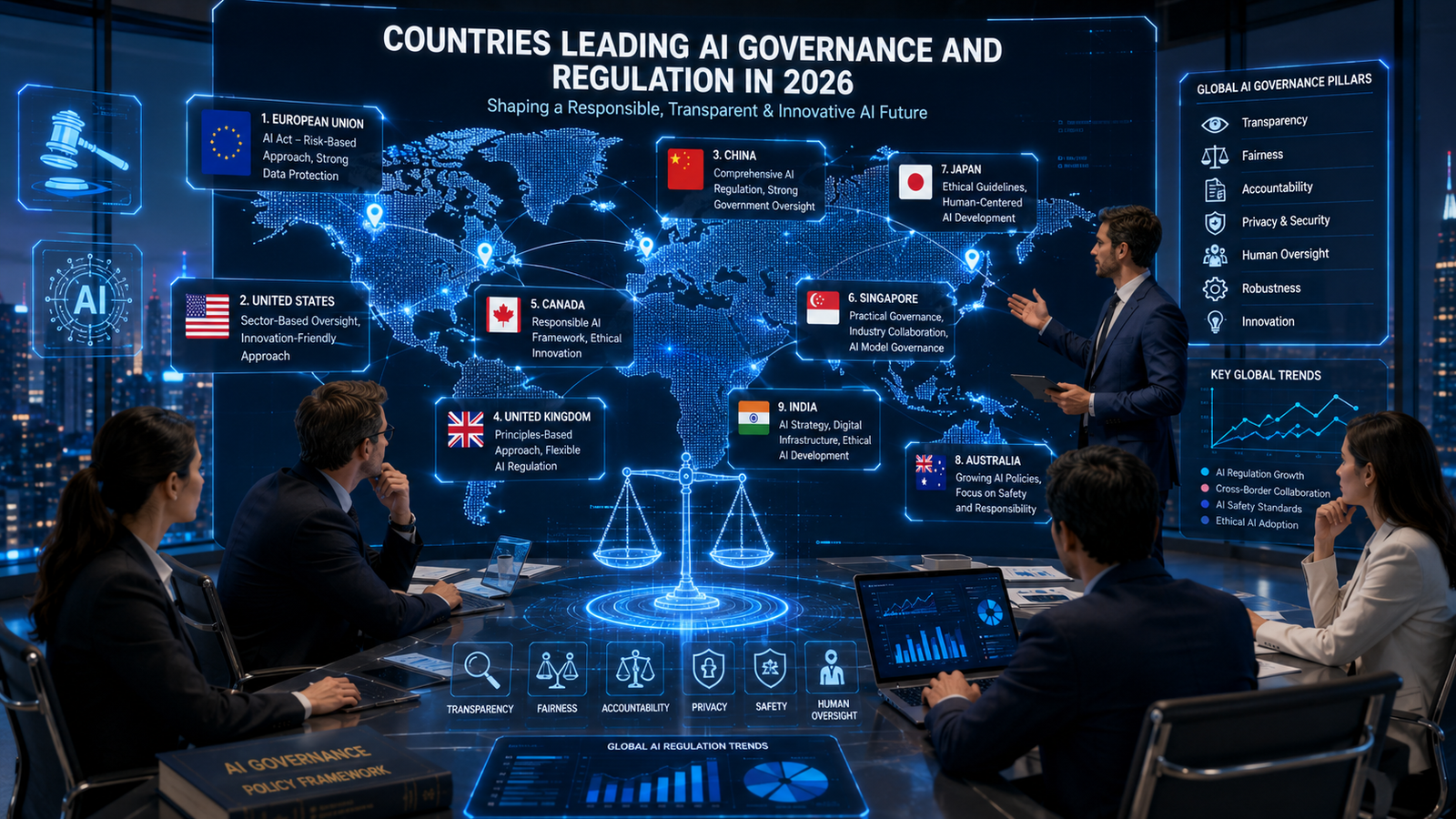
Different governments continue introducing new policies addressing AI-generated content, training data, licensing, transparency, and intellectual property rights.
Multinational organizations therefore face additional complexity when distributing AI-generated content internationally.
Businesses operating globally should monitor legal developments across major markets while developing flexible compliance strategies capable of adapting to future regulatory changes.
International cooperation may eventually reduce differences between legal systems, but considerable variation remains in 2026.
9. Best Practices for Businesses Using AI-Generated Content
Organizations that rely on artificial intelligence should establish responsible content governance policies.
This includes reviewing AI outputs before publication, maintaining records of creative workflows, respecting platform licensing agreements, avoiding misleading representations, protecting confidential information, and ensuring human oversight throughout the content creation process.
Businesses should also educate employees regarding responsible AI usage and intellectual property considerations.
These practices reduce legal risks while strengthening organizational accountability.
10. The Future of AI Copyright Regulation
Artificial intelligence is evolving much faster than traditional legal systems.
Over the coming years, lawmakers are expected to introduce clearer rules addressing ownership, licensing, transparency, compensation for creators, synthetic media, and AI-generated creative works.
Technology companies will likely continue improving attribution systems, watermarking technologies, and content provenance tools that help identify AI-generated material.
Businesses that proactively adapt to these developments will be better positioned to innovate confidently while protecting both their intellectual property and their reputation.
Remaining informed will become one of the most valuable competitive advantages in the AI economy.
Why Responsible AI Content Creation Matters
Copyright compliance is about more than avoiding lawsuits.
Respecting intellectual property strengthens relationships with customers, creators, partners, and regulators.
Organizations that prioritize transparency, originality, and ethical AI practices are increasingly viewed as trustworthy innovators.
Consumers are becoming more aware of how AI-generated content is created, making responsible governance an important element of long-term brand value.
Companies that combine artificial intelligence with human creativity often produce higher-quality content while minimizing legal uncertainty.
Looking Ahead
The future of AI copyright law will continue evolving alongside advances in artificial intelligence. Courts, governments, creators, and technology companies will shape new legal standards that reflect both innovation and creative rights.
Businesses should recognize that compliance is not a one-time task but an ongoing process requiring continuous monitoring of legal developments, platform policies, and industry best practices.
By integrating responsible AI governance into everyday content creation, organizations can confidently embrace the opportunities offered by generative AI while respecting intellectual property and maintaining public trust.
In 2026 and beyond, the organizations that thrive will be those that successfully combine technological innovation with ethical responsibility, legal awareness, and meaningful human creativity.


Leave a Reply