

Artificial intelligence has become one of the most influential technologies of the modern era. It is writing content, diagnosing diseases, detecting financial fraud, driving business automation, and even helping governments improve public services. As AI continues to reshape nearly every industry, an important conversation has moved into the spotlight: How should artificial intelligence be governed?
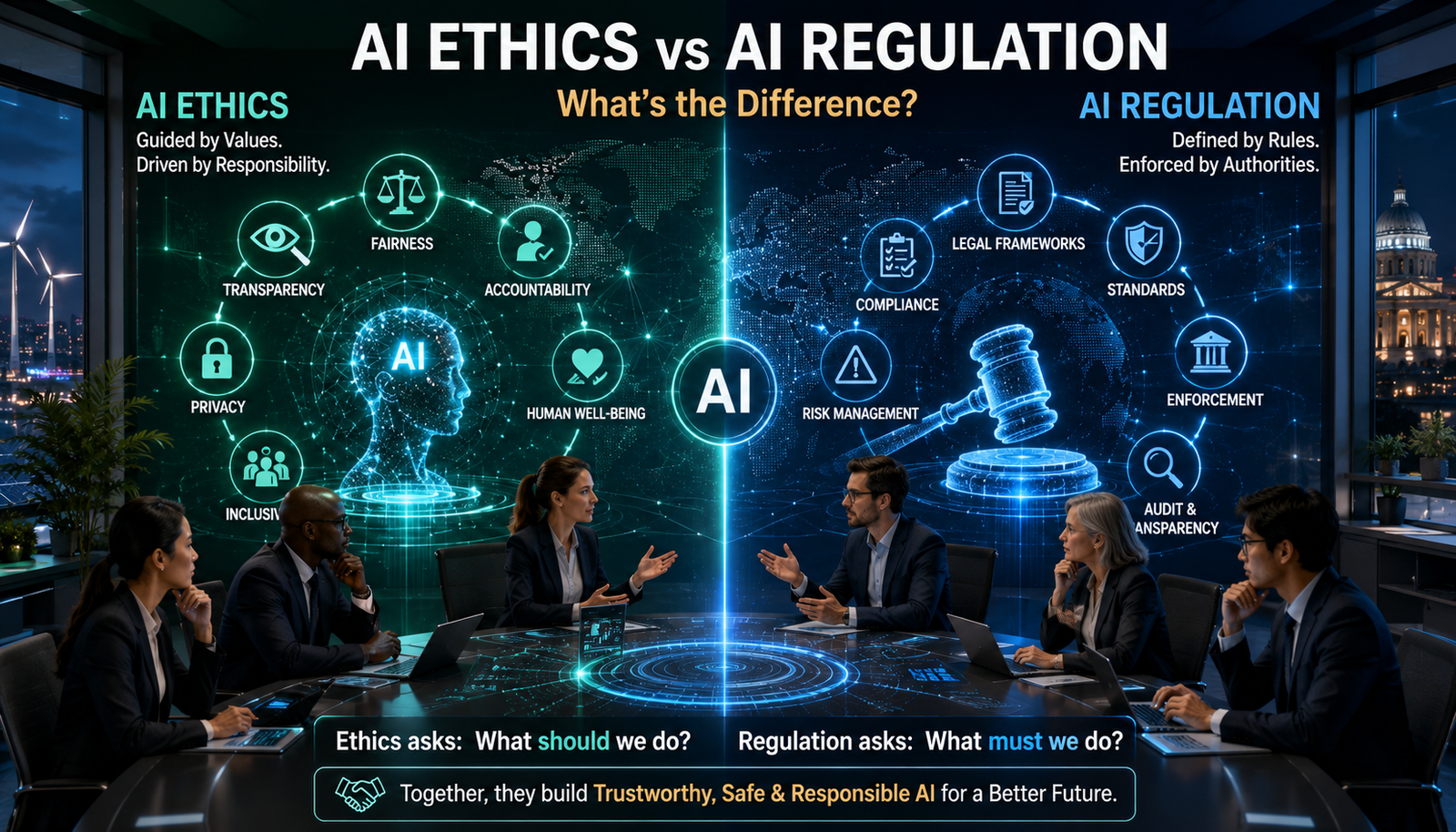
You have probably heard the terms AI ethics and AI regulation used interchangeably. While they are closely connected, they are not the same. AI ethics focuses on the moral principles that guide how artificial intelligence should be designed and used, while AI regulation refers to the legal rules that organizations must follow when developing or deploying AI systems.
Understanding this difference has become increasingly important in 2026. Businesses are investing billions in AI technologies, governments are introducing comprehensive regulatory frameworks, and consumers are demanding greater transparency, fairness, and accountability. Organizations that understand both ethics and regulation are better equipped to innovate responsibly while earning public trust.
Whether you’re an entrepreneur, developer, policymaker, student, or business leader, understanding the relationship between AI ethics and AI regulation is essential for navigating the future of artificial intelligence.
1. What Is AI Ethics?
AI ethics refers to the principles and values that guide the responsible development and use of artificial intelligence.
Rather than focusing on legal obligations, AI ethics asks broader questions about what organizations should do, even when no law requires it.
Ethical AI encourages fairness, transparency, accountability, privacy protection, human well-being, inclusivity, and respect for fundamental rights.
For example, if an AI-powered hiring system unintentionally discriminates against qualified applicants because of biased training data, ethical concerns arise even if no regulation has been violated.
Organizations that prioritize ethics aim to prevent harm before it occurs rather than simply responding to legal requirements.
Why Ethics Matters
Ethical AI strengthens customer trust, protects brand reputation, and helps organizations build technologies that positively benefit society.
2. What Is AI Regulation?
AI regulation consists of legally enforceable rules created by governments and regulatory authorities.
Unlike ethical principles, regulations establish mandatory requirements that businesses must follow.
These rules may address transparency, documentation, risk management, cybersecurity, privacy, human oversight, consumer protection, and accountability.
Organizations failing to comply with applicable regulations may face financial penalties, legal action, operational restrictions, or reputational damage.
As AI adoption accelerates worldwide, governments continue expanding regulatory frameworks to ensure artificial intelligence is developed responsibly.
3. Ethics Focuses on Values While Regulation Focuses on Compliance
One of the simplest ways to understand the difference is by considering their primary objectives.
AI ethics encourages organizations to ask whether an AI system is fair, trustworthy, transparent, and socially beneficial.
AI regulation asks whether that same system satisfies legal requirements established by governments.
An organization may technically comply with every regulation while still making decisions that raise ethical concerns.
Similarly, businesses committed to strong ethical standards often exceed minimum legal obligations because they prioritize long-term public trust.
Understanding this distinction helps organizations build stronger AI governance strategies.
4. Why Ethical AI Often Comes Before Regulation
Technology usually evolves faster than legislation.
Artificial intelligence develops rapidly, while governments often require years to draft, review, and implement new laws.
Because of this gap, ethical frameworks frequently guide responsible AI development before formal regulations exist.
Technology companies, universities, research institutions, and international organizations have spent years developing ethical AI principles covering fairness, transparency, accountability, privacy, explainability, and human-centered design.
Many of these ethical concepts later influence official government regulations.
Ethics Shapes Future Laws
Responsible AI practices often serve as the foundation for future regulatory frameworks around the world.
5. Real-World Examples Highlight the Difference
Consider an AI-powered healthcare system that predicts patient risks.
Ethically, developers should ensure the model performs fairly across different populations, minimizes bias, protects patient privacy, and allows doctors to understand important recommendations.
Regulatory requirements may additionally require documented testing, cybersecurity protections, human oversight, medical certification, and compliance with healthcare privacy laws.
Both ethics and regulation contribute to safer healthcare, but each addresses different aspects of responsible AI deployment.
This relationship exists across industries including banking, education, transportation, manufacturing, and public services.
6. Businesses Need Both Ethics and Regulation
Many organizations initially focus only on legal compliance.
However, businesses increasingly recognize that ethics provides significant competitive advantages beyond simply avoiding penalties.
Customers prefer companies that demonstrate transparency and responsibility.
Investors increasingly evaluate AI governance before funding technology initiatives.
Employees are also more likely to trust organizations that prioritize ethical innovation.
Combining ethical principles with regulatory compliance creates stronger AI products while improving long-term business resilience.
Responsible AI is no longer just a legal issue—it has become a strategic business priority.
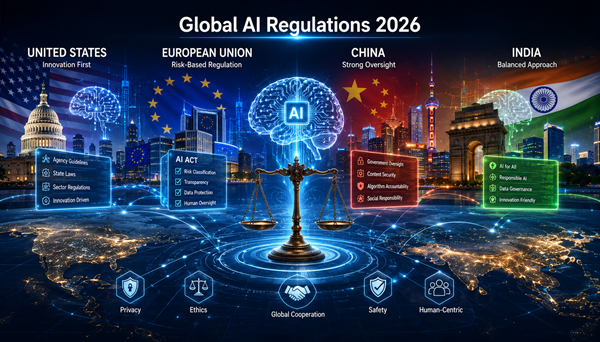
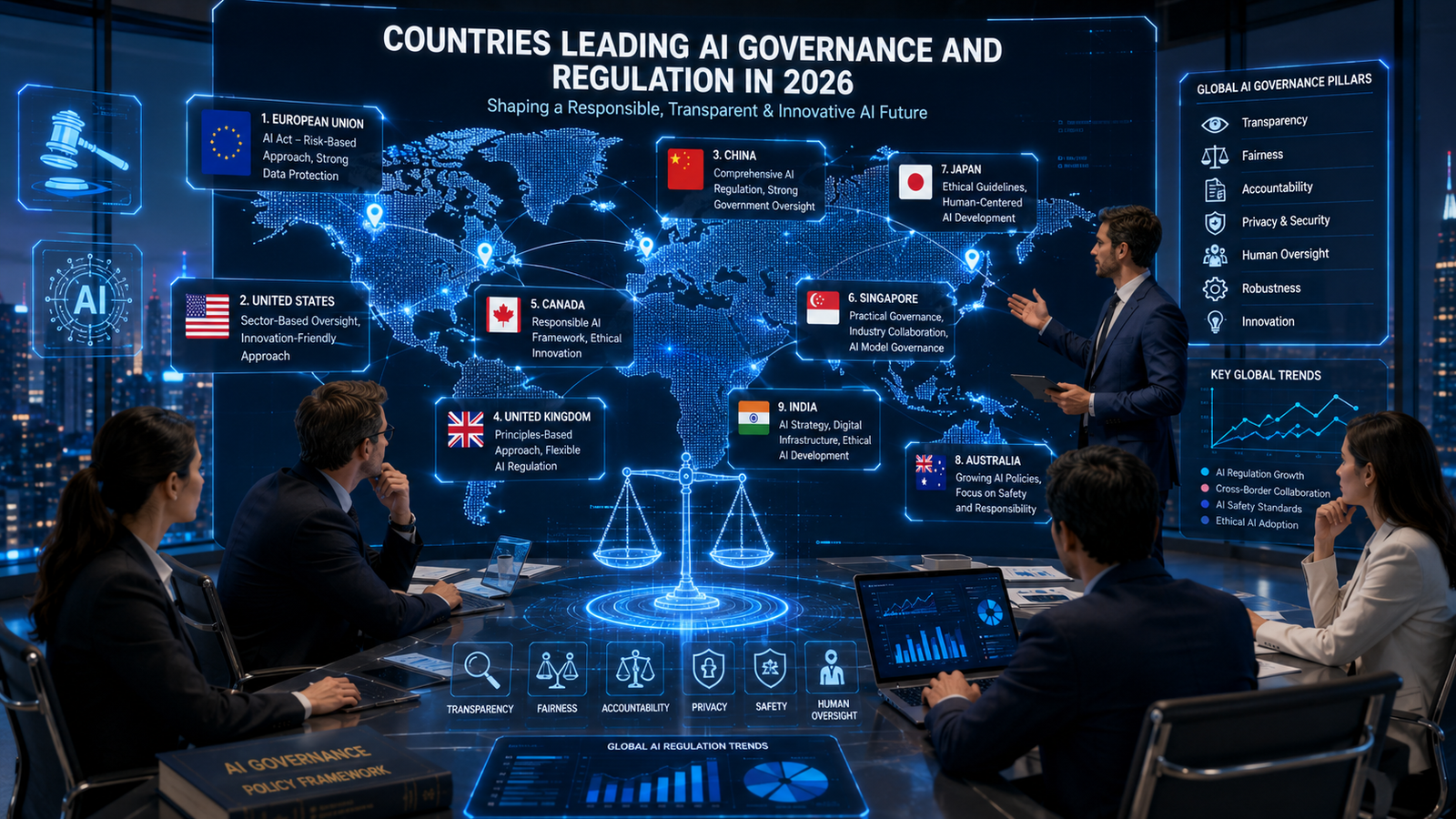
7. Global AI Governance Combines Ethics and Regulation
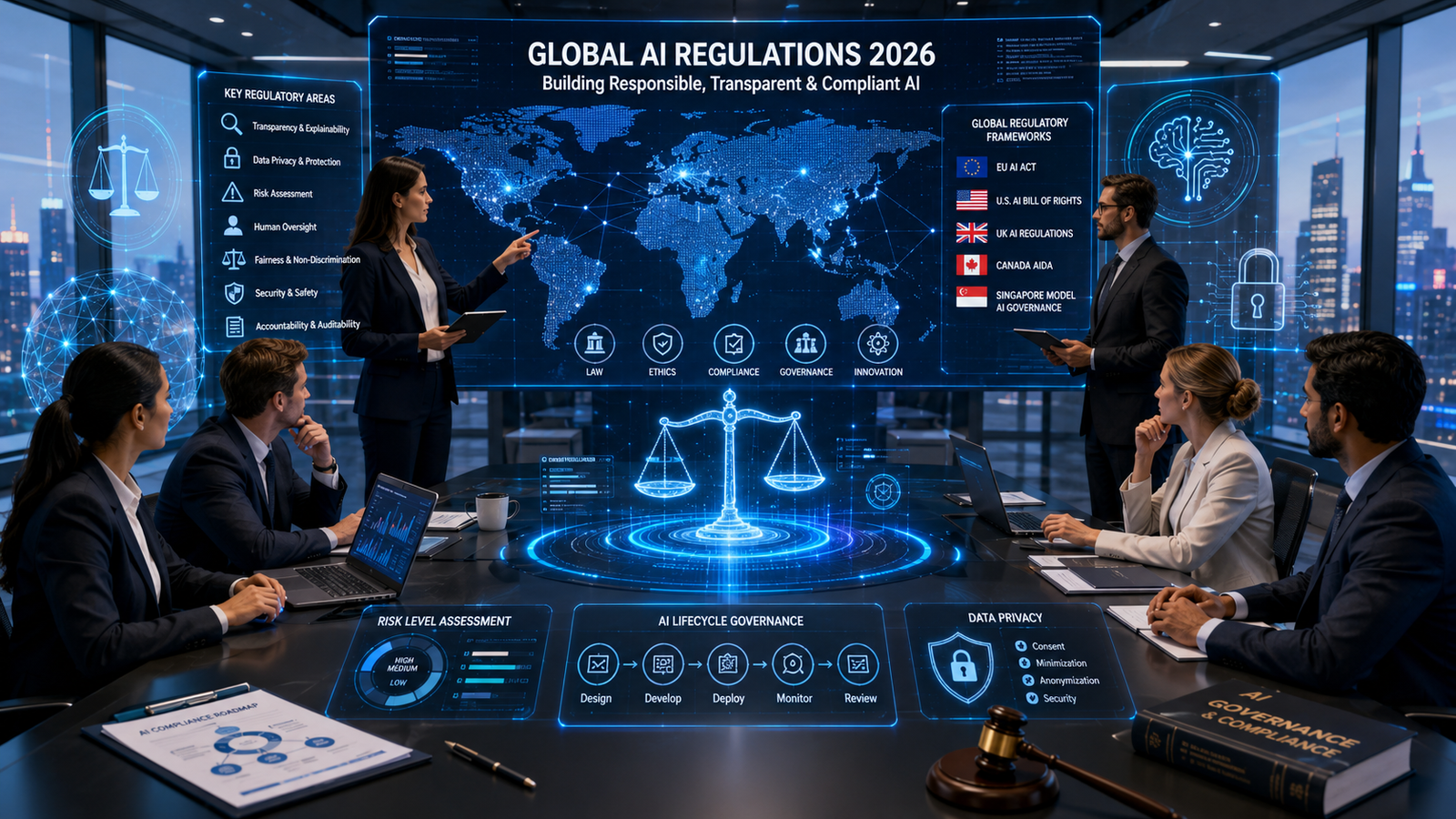
Countries around the world are developing AI governance frameworks that blend ethical principles with legal requirements.
Many governments encourage transparency, accountability, fairness, privacy protection, cybersecurity, and human oversight while introducing enforceable compliance obligations for higher-risk AI systems.
International organizations also promote common principles that support cross-border cooperation.
Although individual regulations differ between countries, ethical values increasingly remain consistent across global governance initiatives.
This convergence helps multinational organizations develop AI systems suitable for international markets.
8. The Growing Importance of Responsible AI
Responsible AI represents the practical combination of ethics and regulation.
Organizations implementing responsible AI programs typically establish governance policies covering fairness testing, algorithm monitoring, documentation, cybersecurity, privacy, employee training, and ongoing risk assessments.
Responsible AI encourages continuous improvement rather than one-time compliance.
Businesses adopting this approach are generally better prepared for future legal developments while building stronger customer relationships.
As AI systems become more capable, responsible governance becomes increasingly valuable.
9. Challenges Organizations Continue Facing
Despite significant progress, implementing ethical and compliant AI remains challenging.
Organizations must manage evolving regulations, rapidly changing technologies, international legal differences, cybersecurity threats, data privacy concerns, algorithmic bias, and increasing public expectations.
Smaller businesses may struggle with limited resources, while multinational enterprises face additional complexity operating across multiple jurisdictions.
These challenges reinforce the importance of establishing flexible governance frameworks capable of adapting as technology and regulation evolve.
Continuous monitoring, employee education, and transparent decision-making remain essential.
10. The Future of AI Ethics and Regulation
The relationship between ethics and regulation will continue strengthening throughout the coming years.
Governments are expected to introduce more comprehensive rules covering generative AI, autonomous AI agents, synthetic media, intellectual property, cybersecurity, algorithmic accountability, and advanced machine learning systems.
At the same time, organizations will increasingly integrate ethical review into product development from the earliest design stages.
Rather than treating ethics and compliance as separate responsibilities, future AI governance will likely combine both into unified organizational strategies.
Businesses preparing today will be better positioned to innovate responsibly while maintaining public confidence.
Why Understanding the Difference Matters
Confusing ethics with regulation can lead to costly mistakes.
Organizations focusing only on legal compliance may overlook important ethical risks that damage customer trust.
Conversely, businesses relying solely on ethical principles without understanding legal obligations may face regulatory penalties as governments expand AI oversight.
The strongest organizations recognize that ethics answers the question of what should be done, while regulation determines what must be done.
Together, they create a balanced framework supporting innovation, accountability, and public confidence.
Final Thoughts
Artificial intelligence offers extraordinary opportunities to improve lives, transform industries, and accelerate innovation. However, its long-term success depends on public trust, responsible governance, and effective oversight.
AI ethics and AI regulation are not competing concepts. They complement one another by ensuring that intelligent technologies are both legally compliant and socially responsible. Ethics encourages organizations to act with integrity, fairness, and transparency, while regulation establishes enforceable standards that protect individuals and society.
As AI becomes increasingly integrated into everyday life throughout 2026 and beyond, businesses that successfully combine ethical leadership with strong regulatory compliance will stand out as trusted innovators. Understanding the difference between AI ethics and AI regulation is therefore more than an academic exercise—it is a critical step toward building a future where artificial intelligence benefits everyone.






Leave a Reply