


Artificial intelligence is changing the world faster than almost any technology before it. Businesses are automating operations, hospitals are improving diagnoses, governments are modernizing public services, and consumers are interacting with AI-powered tools every day. But as AI becomes more powerful, another question has become just as important as innovation itself: How should artificial intelligence be regulated?
In 2026, countries across the globe are racing not only to become AI leaders but also to establish legal frameworks that ensure AI remains safe, transparent, ethical, and accountable. Governments recognize that poorly governed AI could create risks ranging from privacy violations and misinformation to discrimination and cybersecurity threats. At the same time, overly restrictive regulations could slow innovation and reduce global competitiveness.
Finding the right balance has become one of the defining policy challenges of this decade. Some countries have introduced comprehensive AI legislation, while others focus on sector-specific rules, voluntary guidelines, or national AI strategies. Together, these efforts are shaping the future of responsible artificial intelligence.
Whether you are a business owner, technology professional, policymaker, or investor, understanding which countries are leading AI governance can help you prepare for the evolving global regulatory landscape.
1. The European Union Continues Setting the Global Benchmark
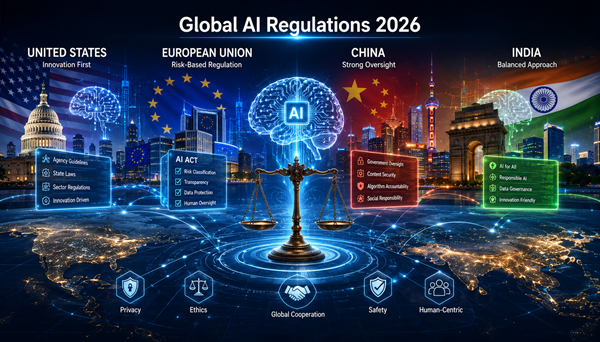
The European Union remains one of the world’s most influential leaders in AI regulation.
Its regulatory approach focuses heavily on protecting fundamental rights while encouraging responsible innovation. Rather than regulating every AI system equally, the EU follows a risk-based framework that applies stricter requirements to high-risk AI applications used in areas such as healthcare, education, finance, employment, transportation, and public administration.
Businesses operating within or serving European markets increasingly prioritize compliance with transparency, documentation, human oversight, cybersecurity, and risk management requirements.
Because many multinational companies prefer consistent global standards, European regulations continue influencing AI governance well beyond the region itself.
Why It Matters
Organizations that align with European AI standards are often better prepared to meet emerging regulatory expectations in other international markets.
2. The United States Encourages Innovation with Sector-Based Oversight
The United States continues pursuing a flexible approach to AI governance.
Instead of relying on a single nationwide AI law, regulatory oversight often comes through existing agencies responsible for consumer protection, healthcare, finance, competition, cybersecurity, and privacy.
Federal initiatives encourage responsible AI development while supporting research, technological leadership, and private-sector innovation.
Large technology companies, universities, and research institutions continue collaborating with policymakers to develop practical governance frameworks that balance innovation with accountability.
As AI adoption accelerates across industries, businesses operating in the United States increasingly invest in internal AI governance programs to prepare for evolving regulatory expectations.
3. China Focuses on Strong AI Oversight
China has rapidly expanded its AI regulatory framework alongside significant investments in artificial intelligence research and industrial development.
Government policies emphasize responsible AI deployment, content management, cybersecurity, algorithm transparency, and the regulation of generative AI services.
Organizations developing AI technologies are expected to comply with strict security, data management, and content governance requirements.
China’s regulatory approach reflects its broader strategy of encouraging technological leadership while maintaining comprehensive oversight of rapidly advancing digital technologies.
This combination of innovation and regulation continues making China one of the world’s most influential AI policy leaders.
4. The United Kingdom Promotes Principles-Based Governance
The United Kingdom has adopted a flexible, principles-based approach to artificial intelligence regulation.
Rather than introducing broad AI legislation immediately, policymakers encourage existing regulators to apply common AI governance principles within their respective sectors.
These principles include fairness, accountability, transparency, security, contestability, and explainability.
This strategy allows regulators to adapt AI oversight according to the specific challenges faced by different industries while supporting continued innovation.
Businesses appreciate the flexibility, although many continue monitoring future legislative developments as AI technologies evolve.
5. Canada Continues Building Responsible AI Frameworks
Canada has earned international recognition for both AI research and responsible AI policy development.
Government initiatives encourage trustworthy artificial intelligence through transparency, risk management, ethical development, and public accountability.
Canadian universities and research institutions continue contributing to global discussions surrounding AI ethics, governance, and responsible innovation.
Businesses operating within Canada increasingly integrate AI governance into corporate compliance programs, recognizing that ethical AI strengthens both public trust and long-term competitiveness.
A Strong Research Foundation
Canada’s combination of world-class AI research and thoughtful public policy continues making it an influential participant in international AI governance discussions.
6. Singapore Leads with Practical AI Governance
Singapore has positioned itself as one of Asia’s leading advocates for practical AI governance.
Rather than relying solely on legislation, the country emphasizes industry collaboration, governance frameworks, AI testing environments, and practical implementation guidance.
Businesses receive clear recommendations for deploying AI responsibly while maintaining innovation and economic growth.
Singapore’s balanced approach has attracted international attention because it combines regulatory certainty with strong support for technological development.
Its governance model is increasingly referenced by organizations developing responsible AI strategies across the Asia-Pacific region.
7. Japan Balances Innovation and Ethics
Japan continues investing heavily in artificial intelligence while promoting international cooperation on AI governance.
Government strategies encourage ethical AI development, transparency, human-centered design, and international interoperability.
Japan also focuses on integrating AI into manufacturing, healthcare, robotics, transportation, and public services while maintaining strong public confidence.
Its collaborative approach reflects the country’s long-standing emphasis on technological advancement supported by responsible policy development.
8. Australia Expands AI Governance Efforts
Australia has strengthened its focus on artificial intelligence through national strategies emphasizing safety, transparency, responsible innovation, and public trust.
Government agencies continue evaluating AI risks while developing guidance for businesses adopting intelligent technologies.
Organizations are encouraged to assess algorithmic fairness, cybersecurity, privacy protection, and accountability throughout AI development.
Australia’s evolving governance framework reflects growing recognition that AI regulation must support both innovation and consumer protection.
9. India Emerges as an Important AI Policy Leader
India has become one of the fastest-growing artificial intelligence markets in the world.
Government initiatives increasingly focus on responsible AI adoption, digital public infrastructure, innovation, skill development, and ethical governance.
As AI deployment expands across healthcare, agriculture, education, financial services, manufacturing, and public administration, policymakers continue developing governance frameworks that encourage innovation while addressing privacy, transparency, and accountability.
India’s large technology ecosystem positions the country to play an increasingly significant role in shaping future global AI governance discussions.
10. International Cooperation Is Becoming More Important
Artificial intelligence does not recognize national borders.
AI systems developed in one country may serve customers worldwide, making international cooperation increasingly important.
Governments, international organizations, academic institutions, and industry leaders continue collaborating on shared principles covering transparency, cybersecurity, human rights, technical standards, and responsible innovation.
Although regulatory differences remain, greater global alignment is expected over the coming years.
Businesses operating internationally should therefore monitor developments across multiple jurisdictions rather than focusing solely on domestic regulations.
Why Businesses Should Monitor Global AI Regulations
Artificial intelligence regulations influence much more than legal compliance.
They affect product development, software design, cybersecurity, data governance, procurement, customer trust, investment decisions, and international expansion.
Organizations that understand global AI governance trends can adapt more quickly, reduce regulatory risk, and build products that satisfy multiple international markets.
Many companies now establish dedicated AI governance teams responsible for monitoring legal developments, evaluating risks, documenting AI systems, and ensuring responsible deployment.
This proactive approach increasingly differentiates market leaders from organizations that respond only after new regulations take effect.
Looking Ahead: The Future of Global AI Governance
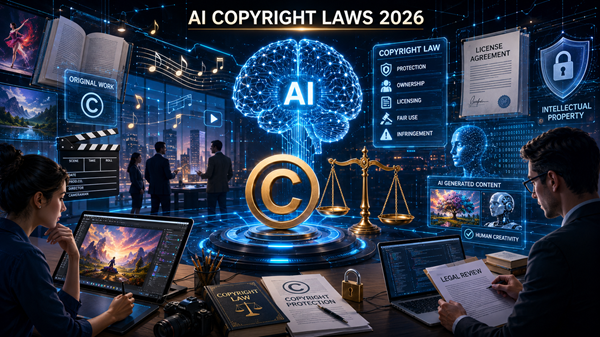
The next generation of AI regulations will likely focus on advanced generative AI, autonomous AI agents, synthetic media, algorithmic accountability, cybersecurity, intellectual property, and cross-border cooperation.
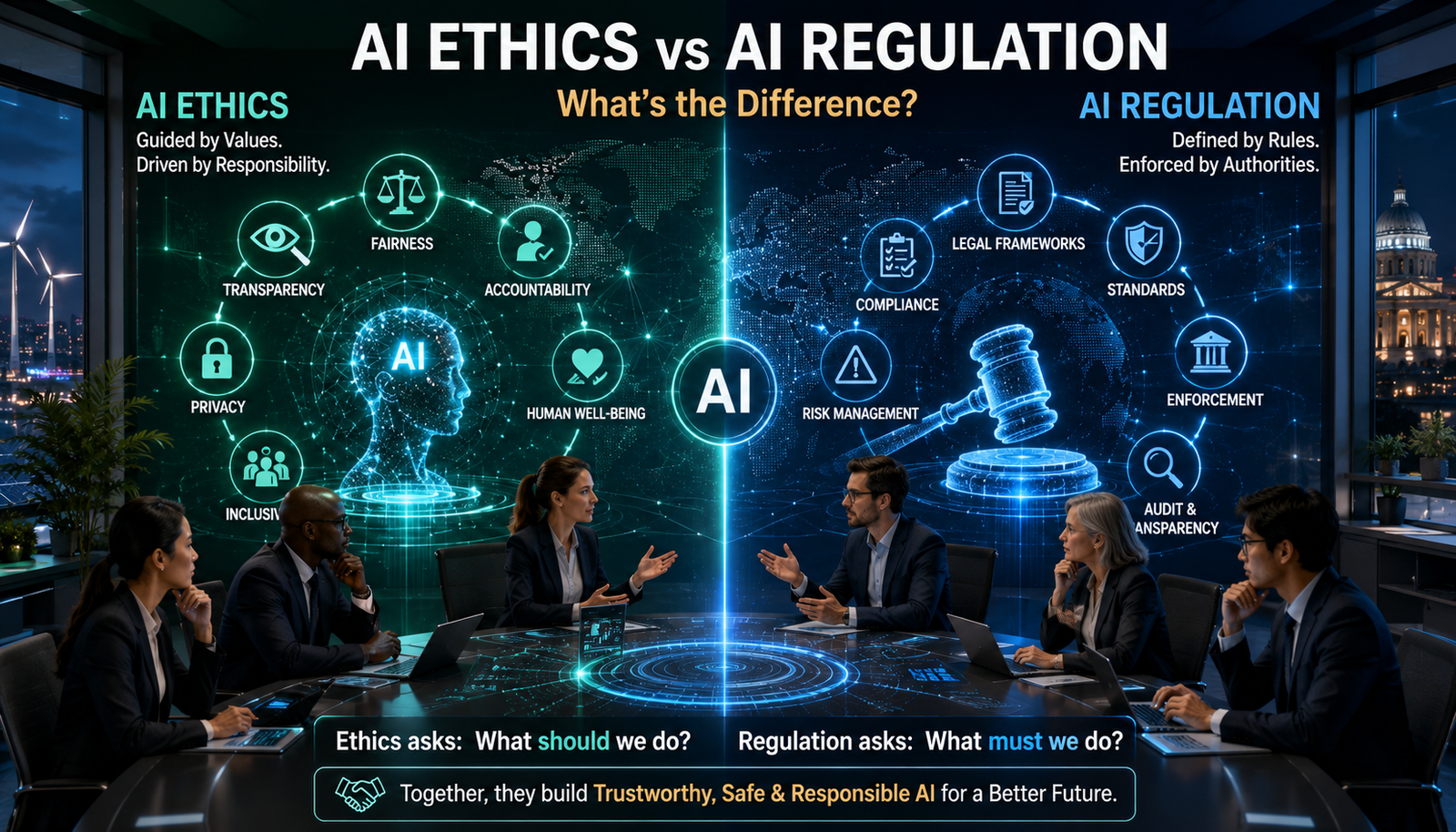
Rather than slowing innovation, effective governance aims to create an environment where businesses can develop powerful AI technologies while protecting individuals, maintaining public trust, and encouraging responsible competition.
Countries that successfully balance innovation with ethical oversight will continue shaping the global AI economy throughout the coming decade.
For businesses, staying informed about international AI regulations is no longer optional. It has become an essential component of strategic planning, risk management, and sustainable innovation. As artificial intelligence becomes increasingly integrated into every industry, organizations that embrace responsible AI governance today will be better positioned to compete in tomorrow’s global digital economy.










Leave a Reply