

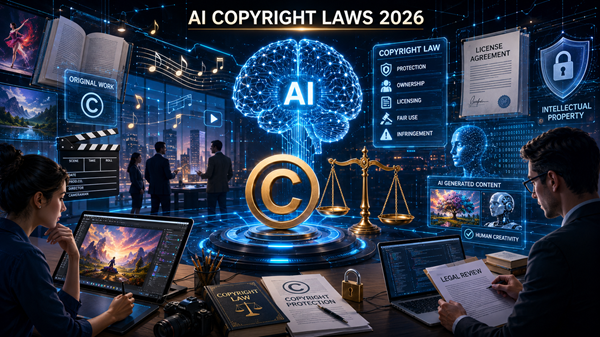
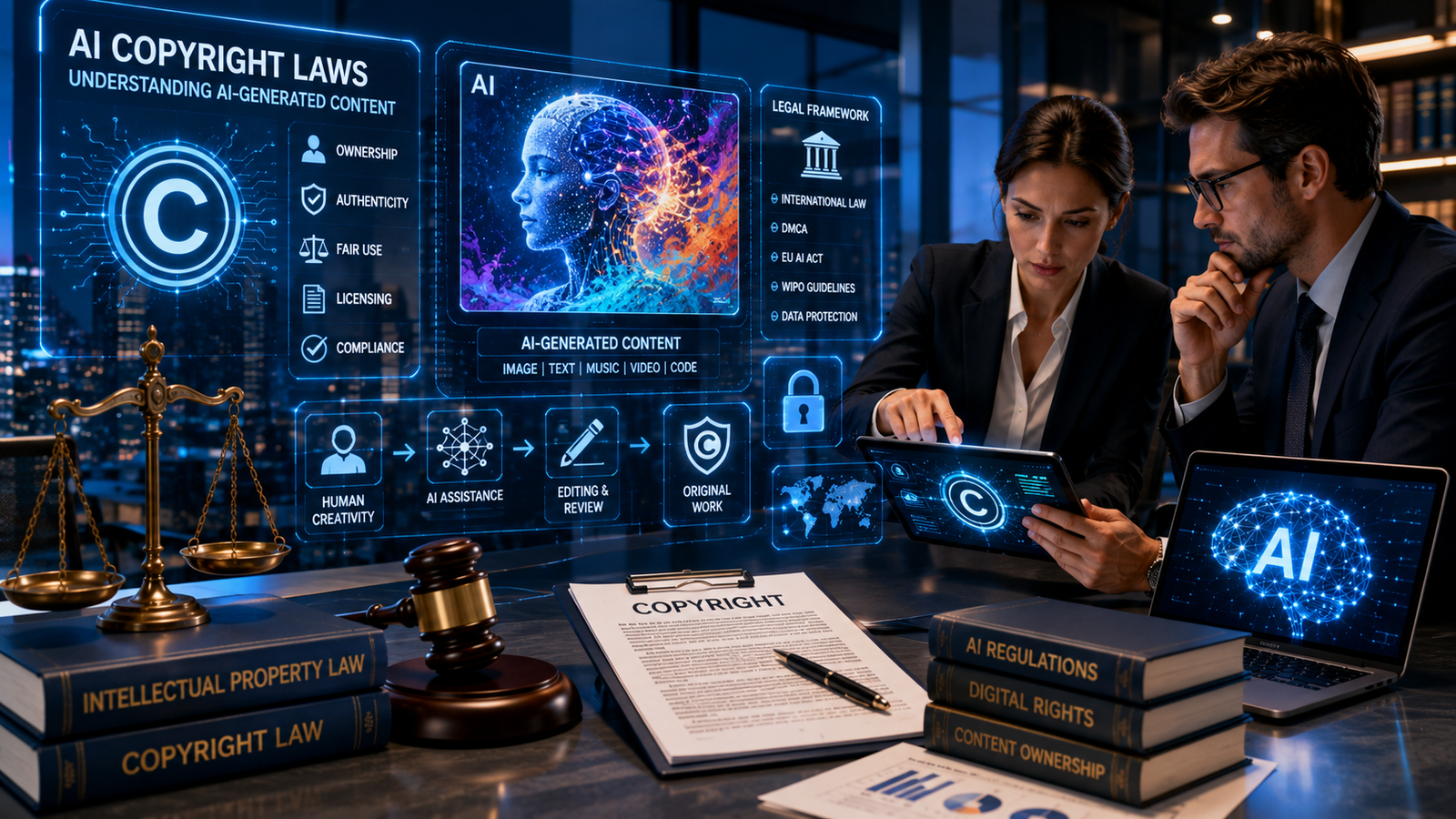
Artificial intelligence has changed the way we create content. Today, a single prompt can generate an article, design a logo, compose music, edit videos, or create realistic images in seconds. For businesses, this means faster workflows and lower production costs. For creators, it opens exciting new opportunities to experiment with ideas that once required hours or even days of work.
But alongside these benefits comes one of the biggest legal questions of the AI era: Who owns AI-generated content?
The answer is far from simple. Governments, courts, technology companies, and copyright offices around the world are still defining how existing copyright laws apply to artificial intelligence. Businesses using AI for marketing, publishing, software development, or design must understand these evolving rules to avoid legal disputes. Likewise, artists, writers, musicians, photographers, and developers need to know where their rights begin—and where AI changes the equation.
As AI adoption continues to accelerate throughout 2025 and 2026, understanding copyright law has become a business necessity rather than simply a legal curiosity.
Why AI Copyright Has Become a Global Issue
Copyright laws were originally designed to protect works created by humans. Books, paintings, music, films, software, and photographs have traditionally been linked to identifiable creators whose original expression deserves legal protection.
Artificial intelligence challenges that foundation.
Modern AI systems are trained on enormous datasets that often include copyrighted material. They can then generate new text, images, videos, and code that may resemble existing works without directly copying them. This has sparked worldwide debates over ownership, licensing, fair use, and creator compensation.
Governments are now trying to balance two important goals. They want to encourage AI innovation while ensuring that original creators are treated fairly.
Understanding Copyright in the Age of Artificial Intelligence
Before exploring country-specific approaches, it helps to understand what copyright actually protects.
Copyright safeguards original creative expression rather than ideas themselves. It gives creators exclusive rights to reproduce, distribute, publish, license, and adapt their work.
When AI enters the creative process, several important questions arise.
Who owns content generated entirely by AI?
Does the person writing the prompt become the author?
Can AI companies legally train their models using copyrighted content?
Can businesses commercially use AI-generated designs or articles?
These questions are still being answered in many jurisdictions.
Human Creativity Still Matters Most
One principle has become increasingly clear across many copyright offices around the world: human creativity remains central to copyright protection.
Several jurisdictions, including the United States, have stated that works created entirely by artificial intelligence without meaningful human creative input generally do not qualify for copyright protection.
However, when humans make substantial creative decisions by directing, editing, arranging, modifying, or combining AI-generated material, copyright protection may apply to those human contributions.
This distinction is becoming increasingly important for businesses producing marketing materials, books, software, digital artwork, and advertising campaigns.
AI Training Data Is One of the Biggest Legal Debates
Perhaps the most controversial issue involves AI training datasets.
Large AI models learn by analyzing vast collections of books, websites, research papers, artwork, music, videos, and publicly available digital content.
Many creators argue that their copyrighted work has been used without permission.
AI developers often respond that training models is fundamentally different from copying or redistributing copyrighted material and may qualify under existing legal exceptions in certain jurisdictions.
Numerous lawsuits filed during 2024, 2025, and 2026 continue shaping this rapidly evolving legal landscape.
The outcomes of these cases could influence how future AI systems are developed worldwide.
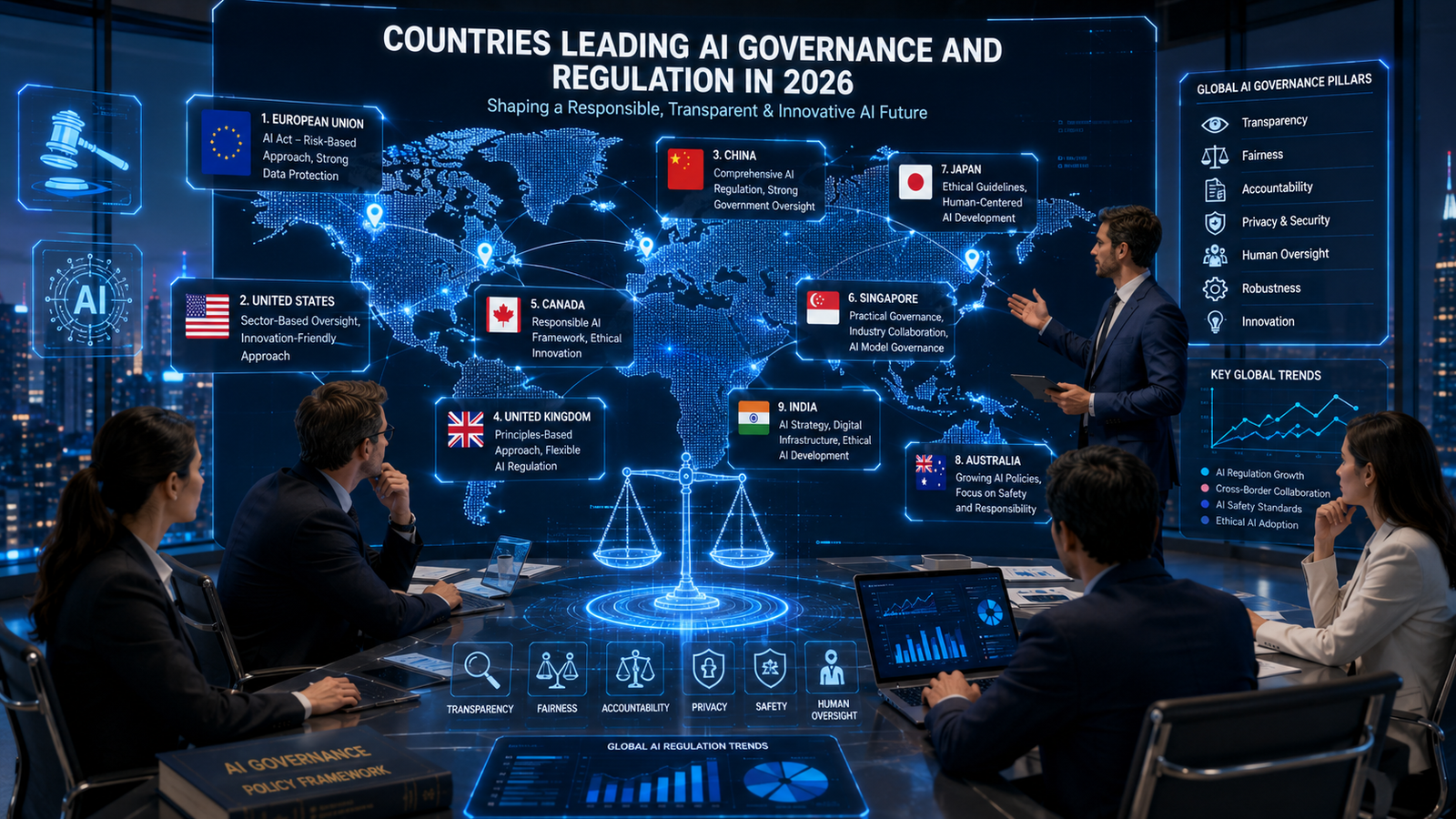
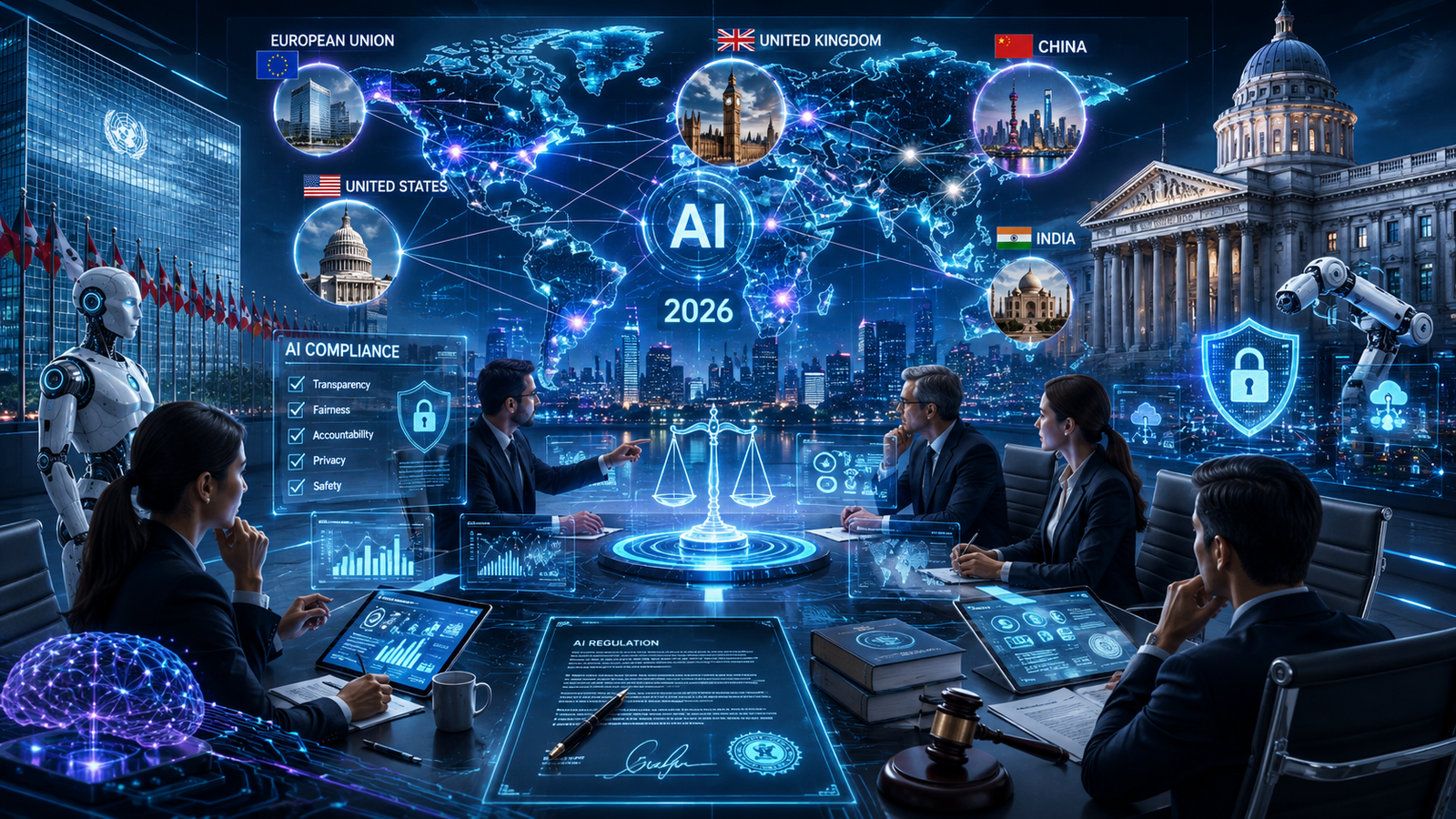
How the United States Approaches AI Copyright
The United States has become one of the most closely watched jurisdictions for AI copyright decisions.
The U.S. Copyright Office has repeatedly emphasized that copyright protects human authorship rather than content produced solely by machines.
This means that fully AI-generated images, articles, or music may not receive copyright protection.
However, projects involving substantial human creativity, editing, arrangement, and artistic judgment can still qualify for protection.
At the same time, American courts continue examining whether training AI models using copyrighted material falls within fair use principles or requires licensing agreements.
These decisions are expected to shape the future of AI innovation globally.
The European Union Focuses on Transparency
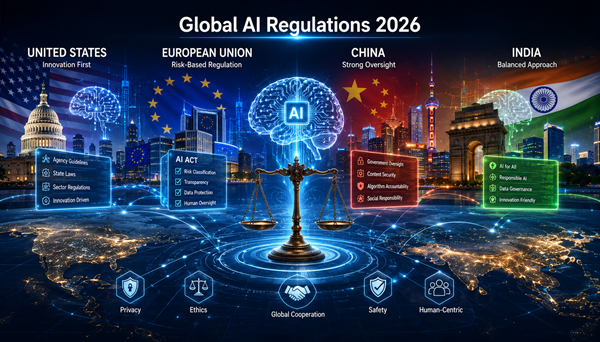
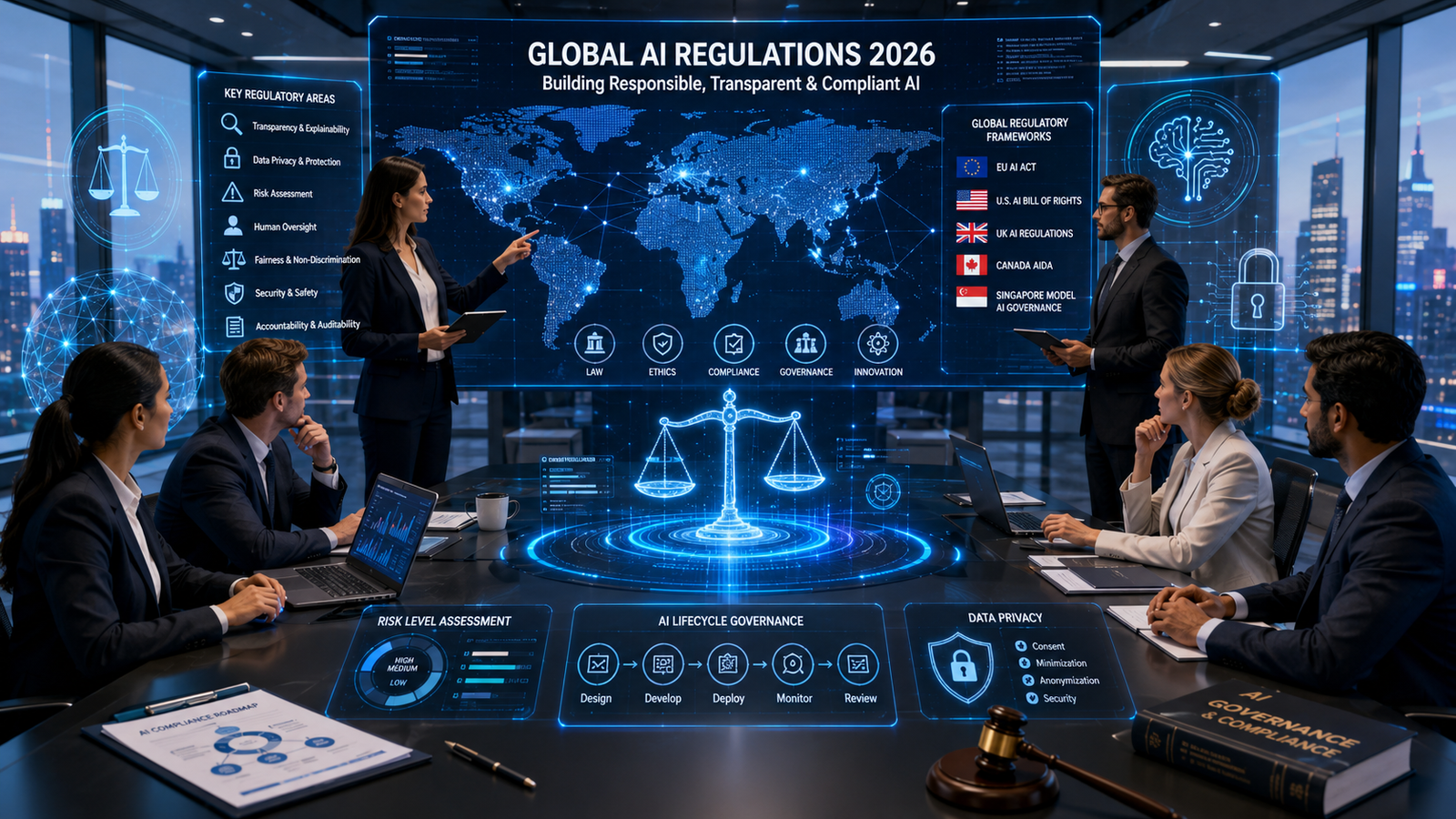
The European Union has adopted a broader regulatory approach through the AI Act alongside existing copyright legislation.
Rather than focusing exclusively on ownership, European policymakers are also emphasizing transparency.
Developers of certain AI models may be required to disclose information about training data and comply with copyright obligations where applicable.
The EU’s approach aims to protect creators while supporting responsible AI development.
Because European regulations often influence global technology companies, businesses operating internationally should closely monitor these evolving requirements.
China’s Growing Focus on Copyright Compliance
China has rapidly expanded both AI innovation and AI regulation.
Authorities increasingly require AI companies to respect intellectual property rights while ensuring generated content complies with national regulations.
Developers are expected to improve transparency, prevent unauthorized use of copyrighted material where required, and implement systems that reduce infringement risks.
China’s evolving regulatory framework demonstrates how copyright is becoming an important component of broader AI governance.
India’s Developing AI Copyright Landscape
India has not yet introduced AI-specific copyright legislation, but existing copyright laws continue to apply.
Legal experts generally believe that works involving sufficient human creativity may receive protection under current legislation, while questions surrounding AI-generated content remain under active discussion.
As India continues investing heavily in artificial intelligence, policymakers are expected to provide additional guidance regarding AI ownership, licensing, and creator rights in the coming years.
Businesses operating in India should therefore monitor regulatory developments carefully.
What Businesses Need to Consider
Companies increasingly use AI for content marketing, graphic design, customer communication, advertising, software development, product descriptions, and social media management.
While AI dramatically improves productivity, businesses should not assume every AI-generated asset is automatically safe for commercial use.
Organizations should establish internal review processes, verify licensing terms, maintain documentation showing human creative contributions, and ensure employees understand responsible AI usage.
Legal compliance is becoming an important competitive advantage.
Businesses that develop clear AI governance policies today will likely face fewer legal risks tomorrow.
What Content Creators Should Know
Writers, designers, musicians, photographers, filmmakers, illustrators, and software developers are adapting to an industry transformed by AI.
Instead of viewing artificial intelligence solely as competition, many creators are using it as a collaborative tool that accelerates brainstorming, drafting, editing, and production.
However, creators should continue protecting their original work, documenting ownership, registering copyrights where appropriate, and understanding the licensing policies of AI platforms they use.
Knowing platform terms of service has become almost as important as understanding copyright law itself.
The Rise of AI Licensing Agreements
Another important trend emerging during 2025 and 2026 is the growth of licensing partnerships.
Several publishers, media companies, stock image providers, music organizations, and content platforms are entering agreements that allow AI developers to legally access copyrighted material for model training.
These partnerships could become an increasingly common solution that balances creator compensation with technological innovation.
Rather than relying solely on courtroom decisions, licensing may provide a more sustainable long-term path forward.
Building Responsible AI Content Strategies
Successful organizations are beginning to treat AI governance as part of their overall business strategy.
This involves combining legal review, copyright awareness, cybersecurity, ethical AI practices, transparency, and employee education.
Companies that clearly identify human involvement in AI-assisted content creation may find it easier to demonstrate ownership and reduce legal uncertainty.
Responsible AI usage is no longer simply a compliance issue—it has become a trust issue.
Customers increasingly value transparency regarding how content is created.
The Future of AI Copyright
Artificial intelligence is evolving much faster than legislation.
Over the next several years, governments around the world are expected to introduce clearer rules covering AI-generated works, training datasets, licensing, transparency, and creator compensation.
International cooperation may also increase as countries attempt to establish more consistent standards across borders.
Although legal uncertainty remains, one trend is clear: businesses and creators who understand AI copyright today will be better prepared for tomorrow’s digital economy.
Final Thoughts
AI has fundamentally changed the creative landscape, but it has not eliminated the importance of human originality.
Copyright law continues evolving as courts, lawmakers, creators, and technology companies work to define ownership in the age of artificial intelligence.
For businesses, understanding AI copyright reduces legal risk while supporting responsible innovation.
For creators, it ensures that original work remains protected even as new technologies reshape creative industries.
The future of AI creativity will depend not only on technological breakthroughs but also on building a fair system that rewards innovation while respecting the rights of human creators.


Leave a Reply