

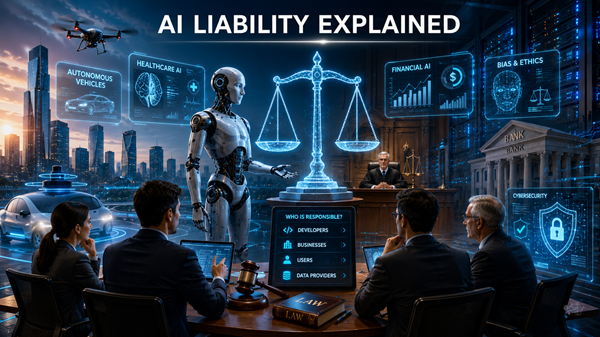
Artificial intelligence is no longer confined to research labs or futuristic movies. It is making decisions that affect our daily lives, from recommending medical treatments and approving loans to driving vehicles and detecting fraud. As AI becomes more capable, one question is becoming impossible to ignore: what happens when artificial intelligence gets it wrong?
Imagine a self-driving car causing an accident, an AI chatbot giving dangerous financial advice, or a hiring algorithm unfairly rejecting qualified candidates. These scenarios are no longer hypothetical. Around the world, governments, businesses, and legal experts are debating one of the most important questions of the AI era—who should be held responsible when AI makes a mistake?
The answer is far from simple. Unlike traditional software, modern AI systems continuously learn, adapt, and generate outputs that developers may not always predict. This complexity has created a new legal and ethical challenge known as AI liability.
Understanding AI liability is becoming essential for businesses, developers, policymakers, and even everyday users. As AI adoption accelerates throughout 2025 and 2026, responsibility and accountability are becoming just as important as innovation.
What Is AI Liability?
AI liability refers to the legal responsibility for damages, losses, or harm caused by artificial intelligence systems. It determines who is accountable when an AI application produces an incorrect decision, causes financial loss, violates privacy, or contributes to physical harm.
Unlike conventional technology, AI often involves multiple stakeholders. A single AI product may include software developers, cloud providers, third-party datasets, hardware manufacturers, businesses deploying the technology, and the end users themselves.
Because so many parties contribute to how AI functions, assigning responsibility is often far more complicated than identifying the manufacturer of a defective physical product.
Why AI Liability Has Become a Global Concern
The rapid growth of generative AI, autonomous systems, and intelligent automation has significantly increased public attention on AI accountability.
Governments are introducing regulations because AI now influences decisions involving healthcare, banking, transportation, education, recruitment, law enforcement, and public services. Mistakes in these areas can have life-changing consequences.
At the same time, companies are investing billions of dollars in AI-powered products. Without clear legal rules, uncertainty around liability could slow innovation and reduce public trust.
As AI becomes more deeply integrated into society, establishing accountability is no longer optional—it is becoming a legal necessity.
1. Can AI Be Held Legally Responsible?
One of the biggest misconceptions is that AI itself can be legally liable.
Artificial intelligence is not considered a legal person. It cannot appear in court, pay compensation, or face criminal charges. AI remains a tool created and operated by humans and organizations.
This means legal responsibility almost always falls on one or more human or corporate parties connected to the AI system.
Although some legal scholars have debated whether advanced AI should eventually receive a unique legal status, no major jurisdiction currently recognizes AI as a legally responsible entity.
2. When Developers May Be Responsible
Software developers can become liable if problems result from poor system design, inadequate testing, security vulnerabilities, or known defects that were ignored before deployment.
For example, if an AI medical application consistently misdiagnoses patients because developers failed to validate training data, responsibility could extend to the company that built the system.
Similarly, if developers knowingly release an unsafe AI model without sufficient safeguards, courts may determine they failed to meet reasonable professional standards.
Good software engineering, transparency, and rigorous testing remain essential defenses against future liability claims.
3. When Businesses Using AI Become Liable
Organizations deploying AI often carry significant responsibility because they control how the technology is used.
A retailer using AI for hiring decisions must ensure the system does not discriminate against applicants. A bank using AI for loan approvals must verify that customers are treated fairly. Hospitals using diagnostic AI must continue providing professional medical oversight.
Even when AI systems are purchased from third-party vendors, businesses generally remain accountable for decisions affecting their customers.
Using AI does not eliminate corporate responsibility.
4. The Role of End Users
Users also play an important role in AI liability.
Suppose a company employee deliberately ignores AI warnings, manipulates outputs, or applies AI in ways the software was never intended to support. In such cases, responsibility may shift toward the individual or organization misusing the technology.
Most AI providers clearly outline acceptable use policies and operational limitations to reduce misuse.
Ultimately, AI should support human decision-making rather than replace human judgment entirely.
5. Could Training Data Create Legal Problems?
Artificial intelligence depends heavily on training data.
If datasets contain bias, inaccurate information, copyrighted material, or illegally collected personal data, liability issues may arise even before the AI system reaches customers.
For instance, biased hiring datasets could produce discriminatory recruitment recommendations. Similarly, improperly collected healthcare records could violate privacy laws.
Data governance is becoming one of the most important aspects of responsible AI development.
Real-World Examples of AI Liability
Several real-world incidents have highlighted why AI accountability matters.
Autonomous vehicle accidents have raised questions about whether responsibility belongs to vehicle manufacturers, software developers, or drivers supervising automated systems.
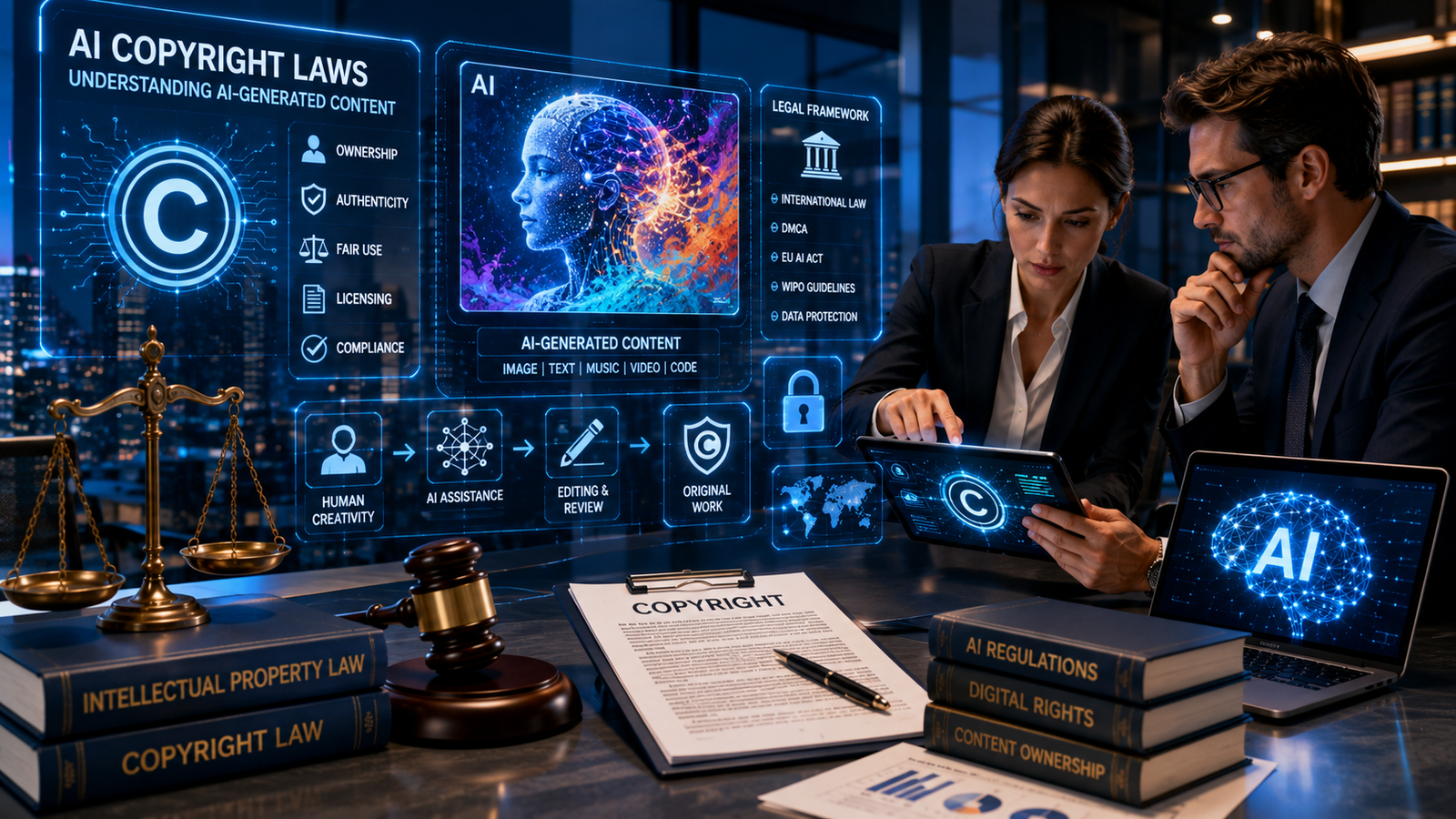
Generative AI platforms have faced copyright lawsuits regarding training data and AI-generated content.
Financial institutions using AI credit scoring systems have encountered investigations over algorithmic bias.
Healthcare providers deploying AI diagnostic tools continue balancing machine recommendations with physician oversight to avoid patient harm.
These examples demonstrate that AI liability is already influencing courtrooms, regulatory agencies, and boardrooms worldwide.
Emerging AI Regulations in 2025 and 2026
Governments are rapidly strengthening AI oversight.
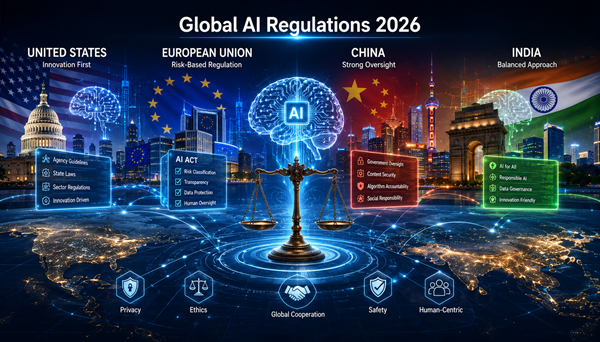
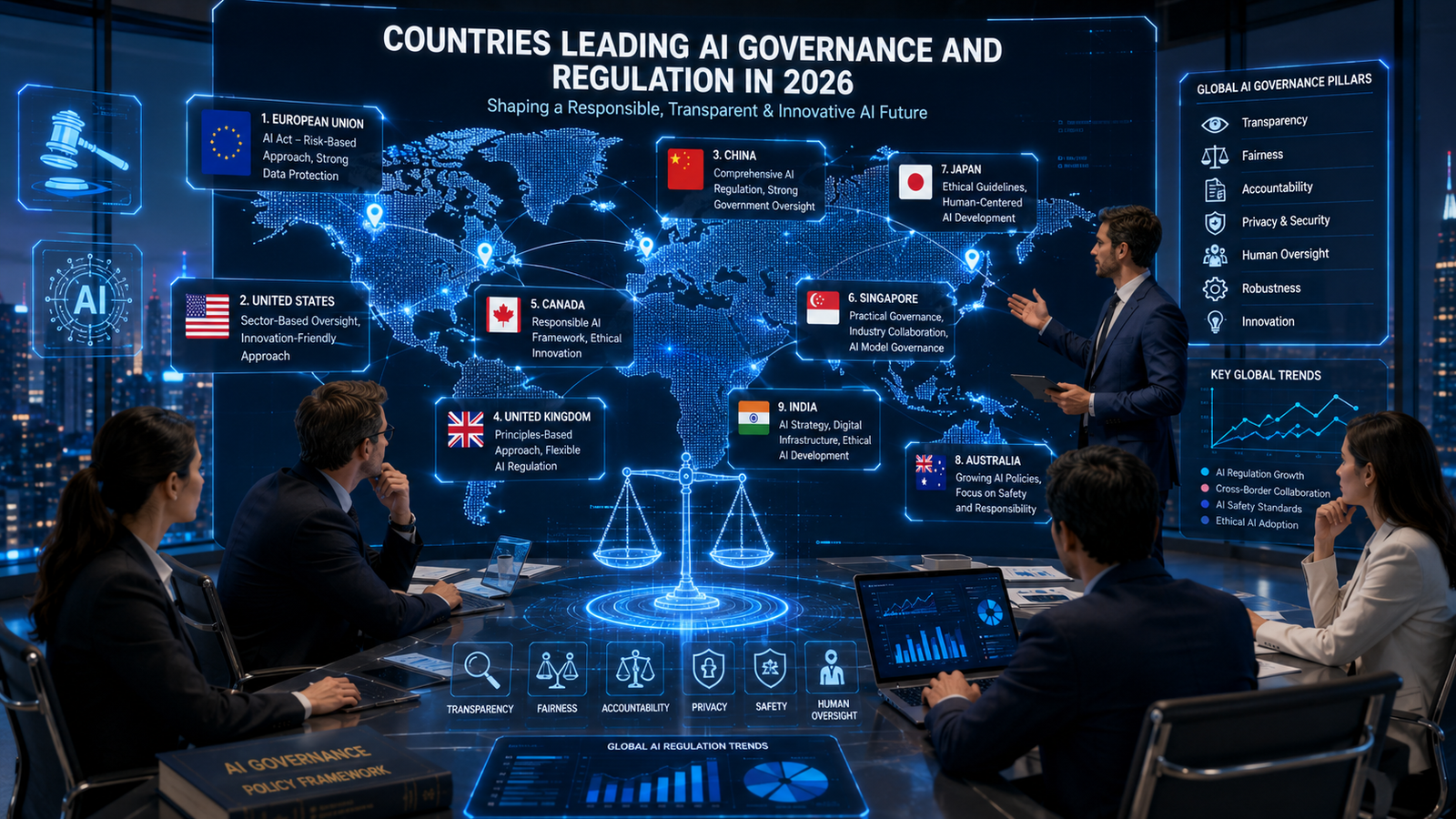
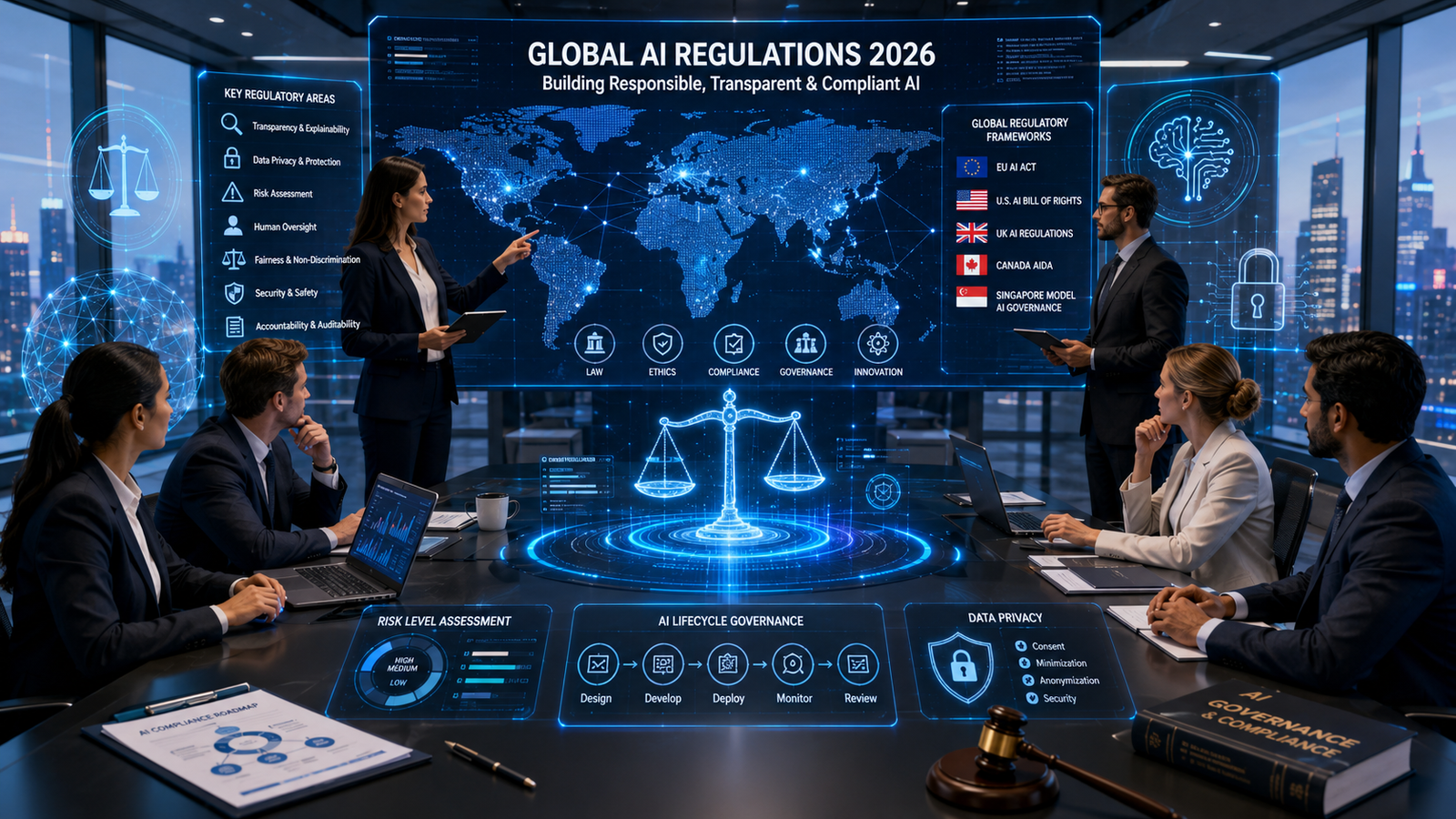
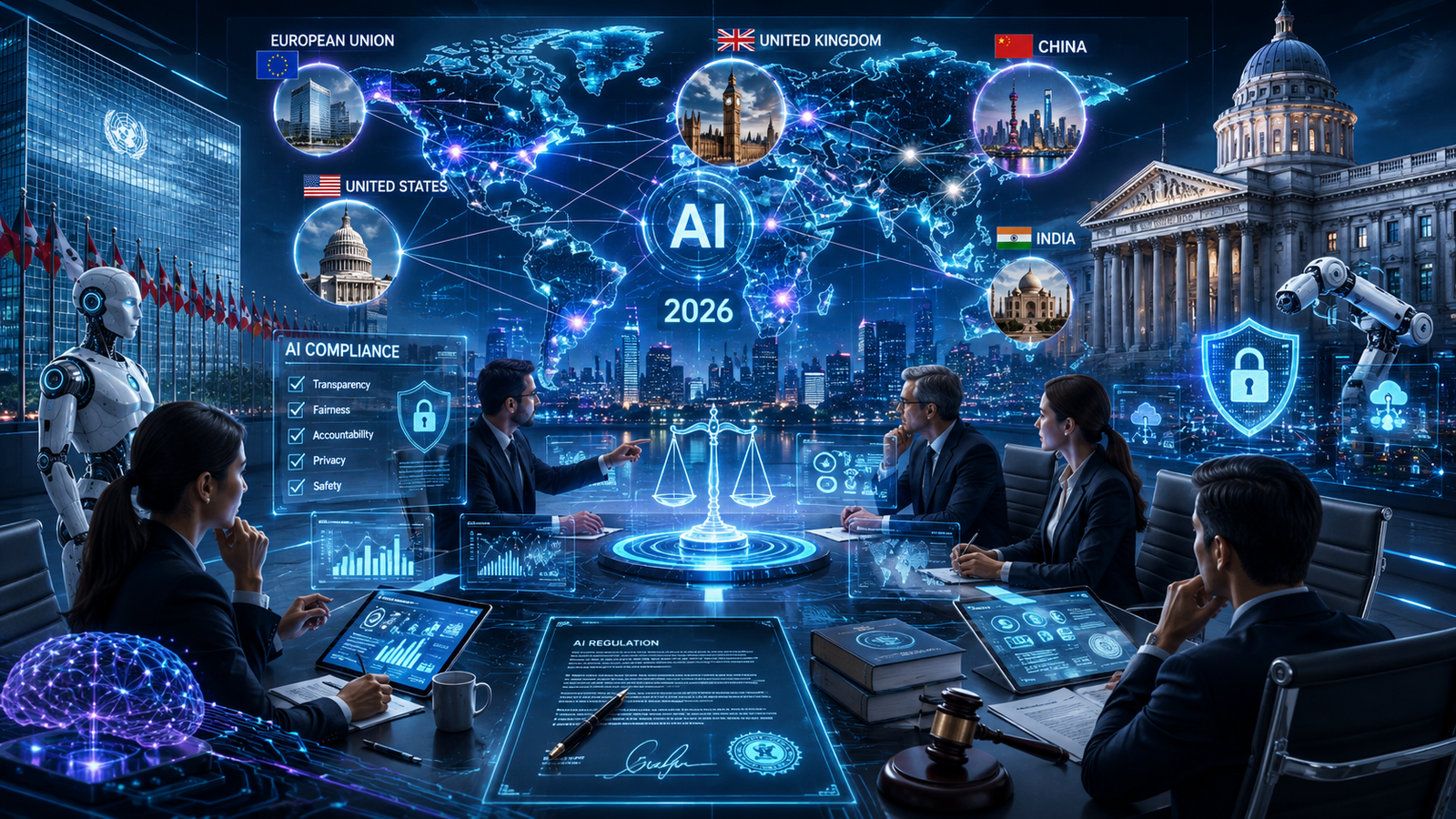
The European Union’s AI Act is introducing risk-based rules that place stricter obligations on high-risk AI systems used in critical sectors.
In the United States, federal agencies and state governments continue expanding AI governance through consumer protection, privacy, and competition laws.
Countries including the United Kingdom, Canada, Singapore, Japan, India, and Australia are also developing AI frameworks focused on transparency, accountability, cybersecurity, and responsible innovation.
Rather than slowing AI development, these regulations aim to build public confidence while encouraging safer deployment.
How Companies Can Reduce AI Liability Risks
Organizations adopting artificial intelligence should recognize that compliance begins long before deployment.
Regular AI audits help identify weaknesses before they become legal problems. Independent testing improves reliability while documenting responsible development practices.
Human oversight remains essential for decisions affecting health, employment, finance, education, and public safety.
Maintaining detailed records of AI training, model updates, testing procedures, and decision-making processes can also strengthen legal defenses if disputes arise.
Employee education is equally important because responsible AI depends on informed human operators.
Ethical Responsibility Goes Beyond Legal Liability
Not every AI mistake results in a lawsuit.
Sometimes the greatest consequences involve damaged customer trust, reputational harm, or declining brand credibility.
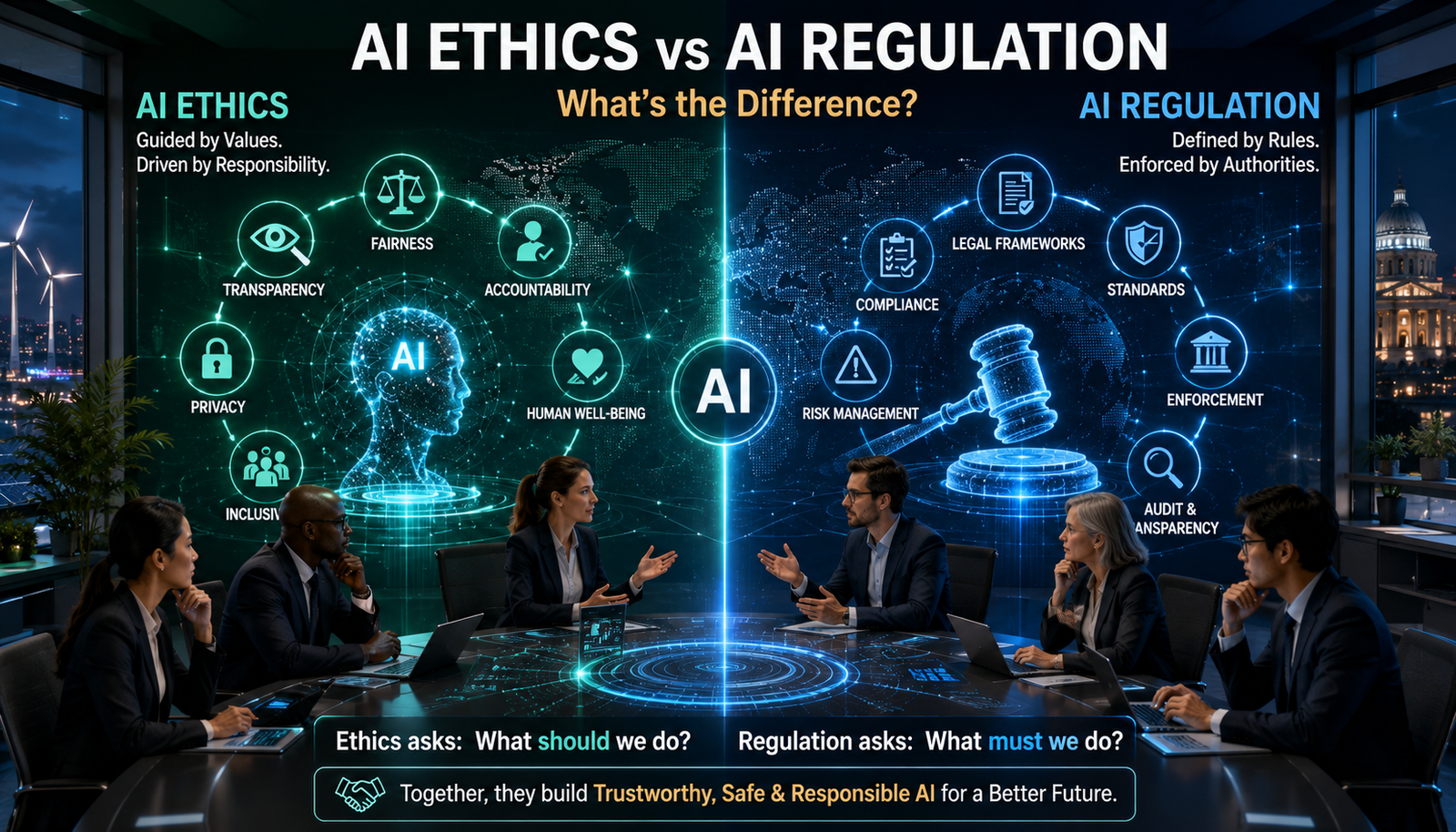
Organizations that prioritize fairness, transparency, explainability, and privacy often gain stronger customer confidence than those focusing solely on legal compliance.
Responsible AI is becoming a competitive advantage rather than simply a regulatory requirement.
Consumers increasingly expect companies to explain how AI influences important decisions affecting their lives.
The Future of AI Accountability
Artificial intelligence will continue becoming more autonomous, more capable, and more deeply integrated into everyday life.
Future legal systems may introduce clearer rules defining responsibilities among developers, AI vendors, businesses, cloud providers, and users. Insurance products specifically covering AI-related risks are also expected to become more common.
International cooperation will likely play a growing role as AI products increasingly operate across national borders.
While technology evolves rapidly, one principle is unlikely to change: humans will remain responsible for how artificial intelligence is designed, deployed, and supervised.
Final Thoughts
AI liability is no longer a theoretical legal debate—it is one of the defining challenges of the artificial intelligence era.
As AI systems become responsible for increasingly important decisions, accountability must evolve alongside innovation. Developers need to build safer models, businesses must deploy AI responsibly, regulators should establish balanced legal frameworks, and users must understand the technology’s limitations.
The future of AI will not be determined solely by how intelligent these systems become. It will also depend on whether society can build trustworthy rules that ensure innovation benefits everyone while protecting individuals from unnecessary harm.
Companies that embrace responsible AI today will be better positioned to succeed in a future where accountability, transparency, and public trust are just as valuable as technological breakthroughs.



Leave a Reply